
Biography
Unlikely but Not Impossible: On Mass, Volume, and Play
Exploring perception, space, and materiality, this work investigates how familiar objects and architectural contexts can be transformed to challenge recognition, hierarchy, and expectation. Mass-produced objects are frequently reconfigured into unexpected forms, disrupting habitual modes of engagement and reframing ordinary materials within new formal and conceptual frameworks.
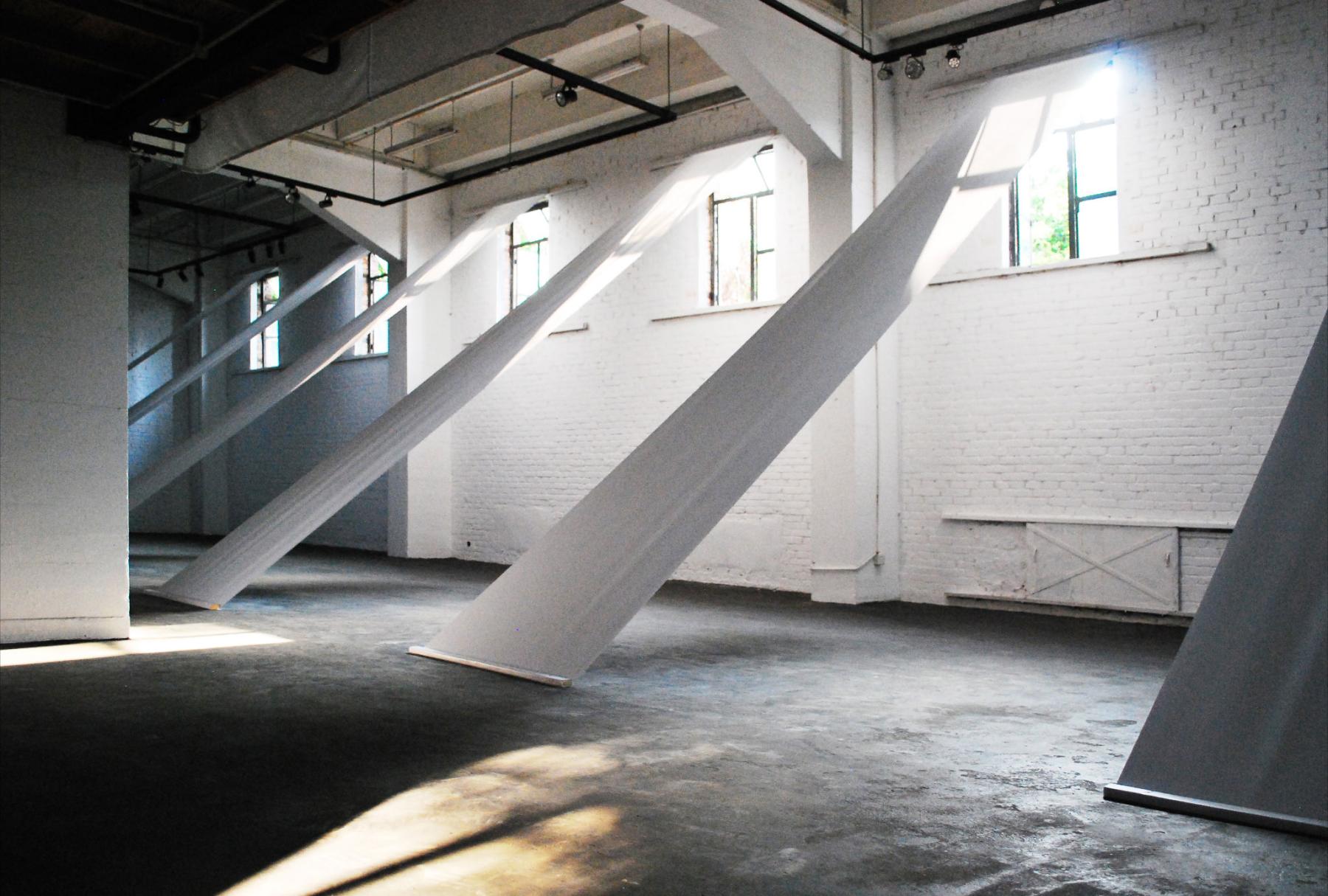
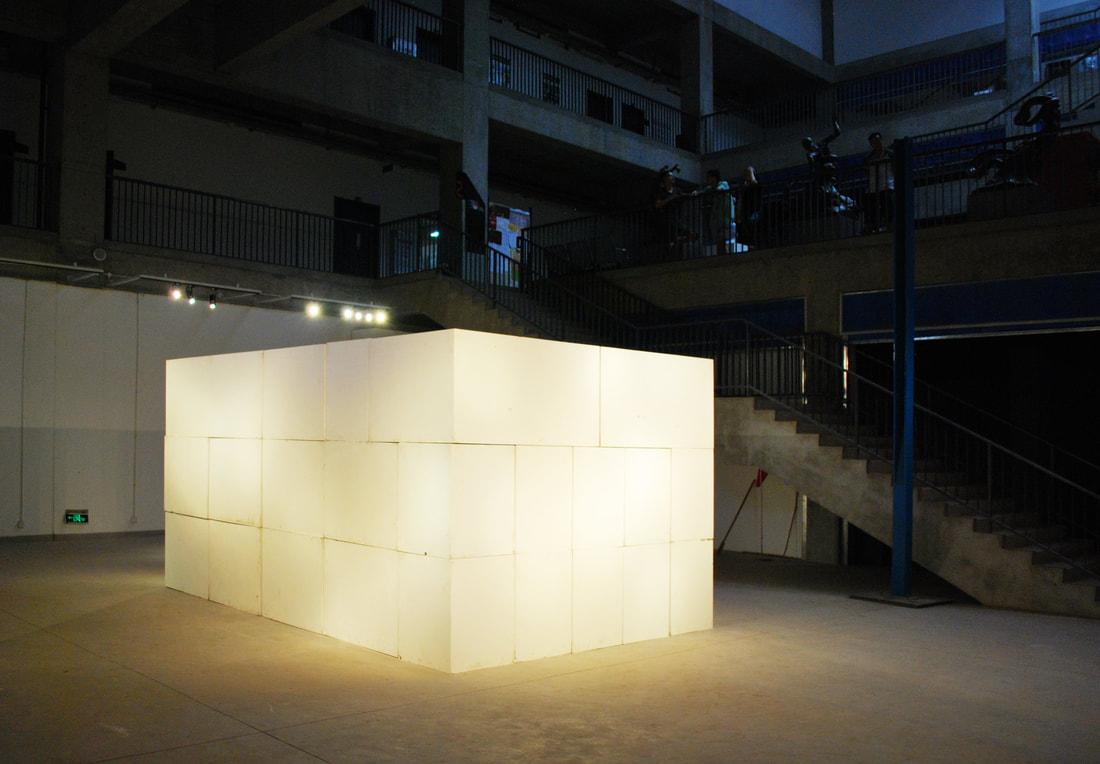
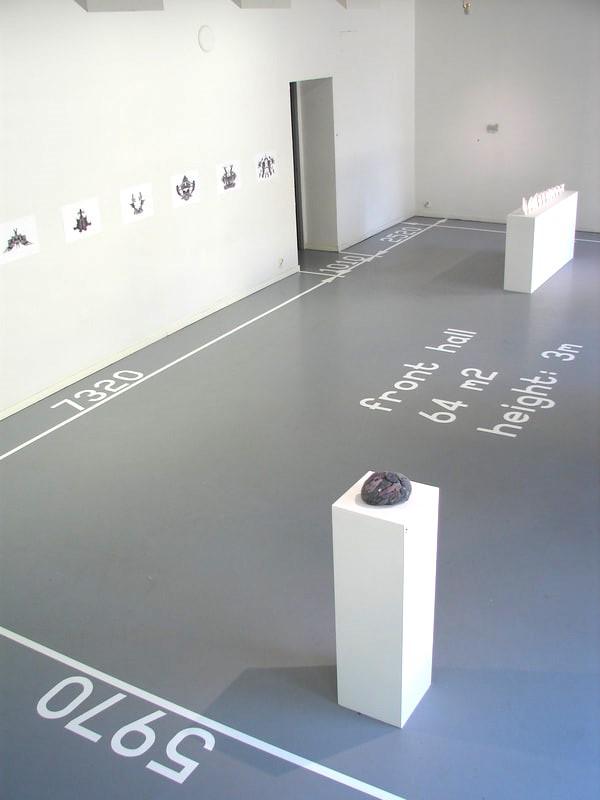
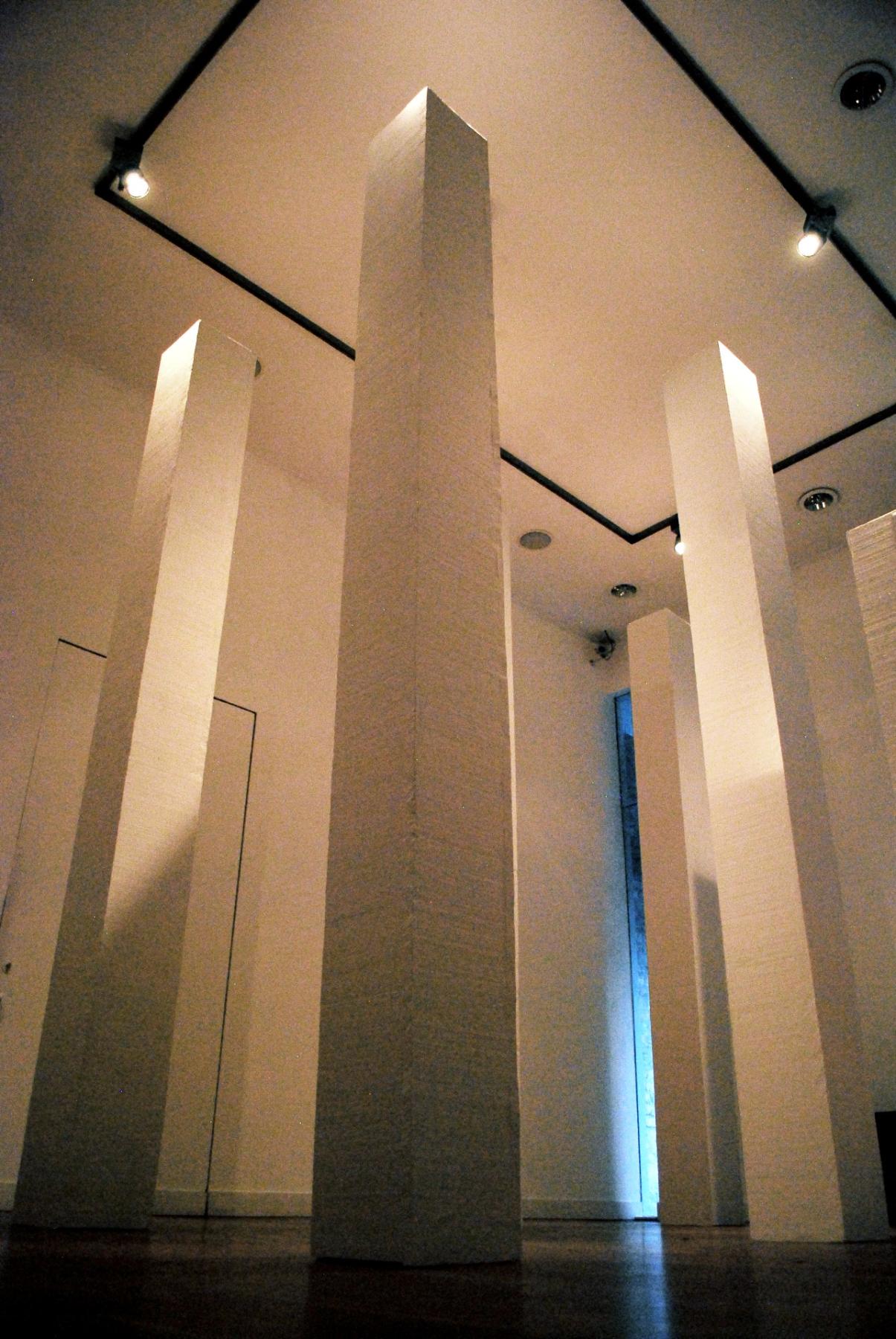
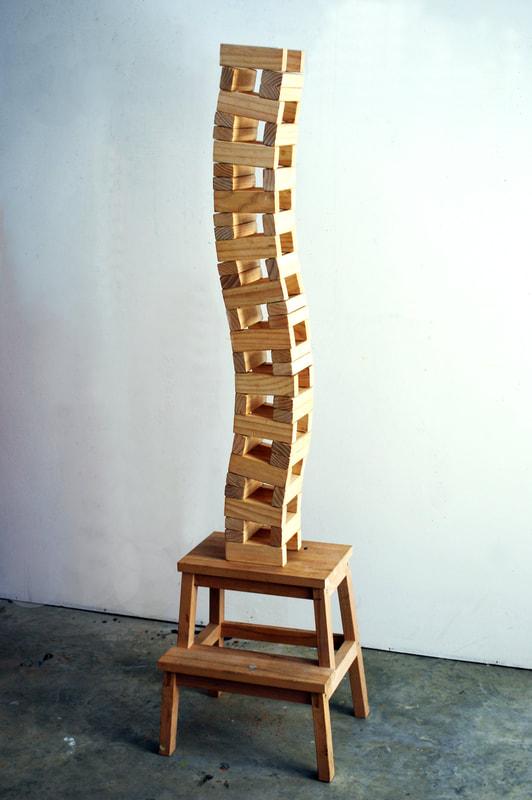
Sculpture functions as a site for testing mass, volume, and balance, examining tensions between stability and uncertainty. Precarious arrangements and provisional configurations are embraced as generative conditions, where alternative possibilities emerge through iterative experimentation. Installation extends these concerns into architectural and social space. Each project responds directly to its site, attending to scale, circulation, spatial hierarchies, and existing materials. Galleries and institutional contexts are treated as active participants rather than neutral containers. Architectural features, utilitarian objects, and found materials form a relational matrix in which object, body, and space are mutually constitutive. Observer engagement is central, with interventions designed to disrupt habitual movement, perception, or expectation and provoke reflection.
Play is a core methodological framework. Projects begin with close observation of the studio or site, attending to what is already present before introducing interventions. Iterative experimentation allows provisional relationships to emerge, probing the limits of stability, hierarchy, and material behavior. Fragile balances and improbable outcomes are embraced, generating insights into the interplay between form, space, and perception.
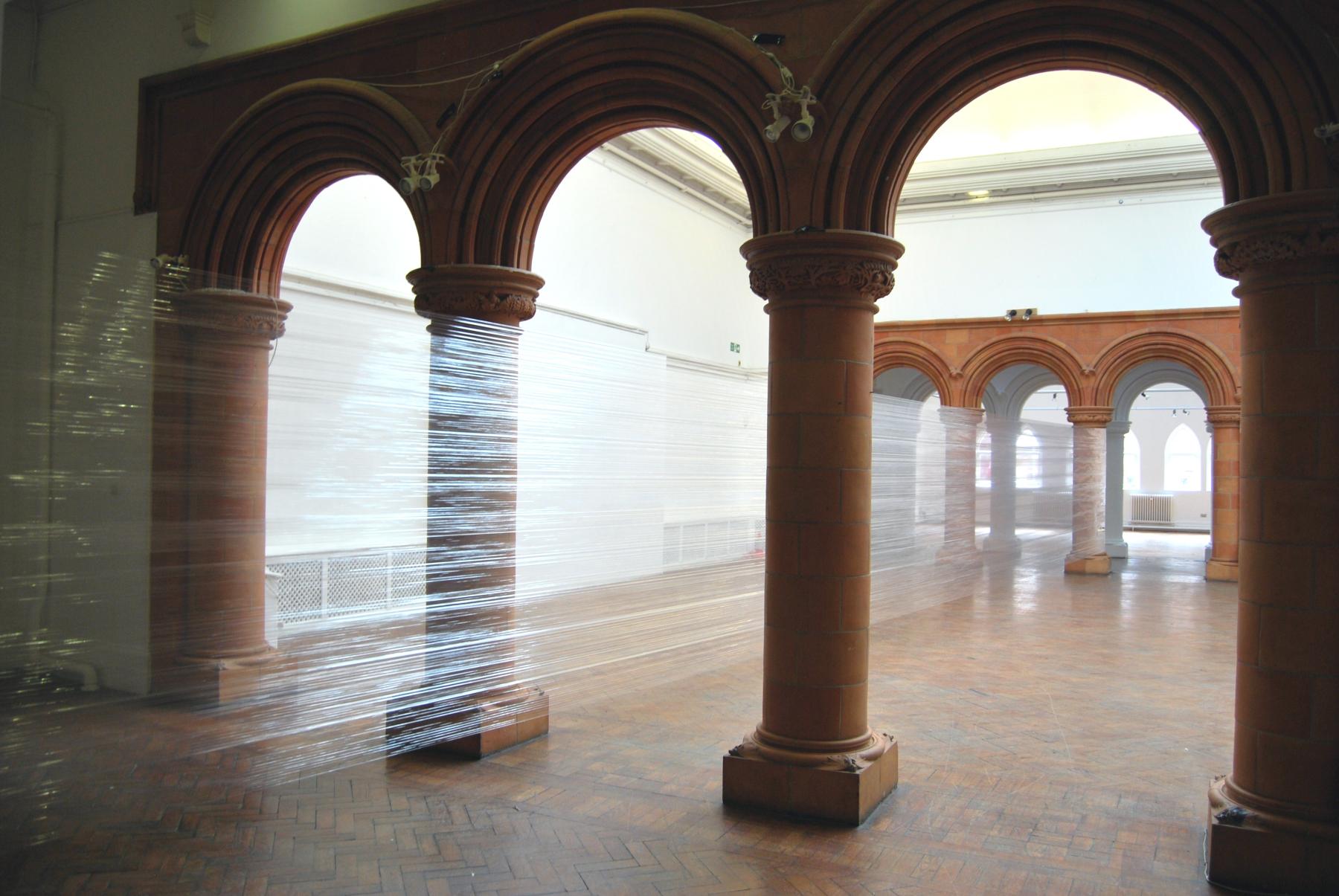
An illustrative example is Tension, in which cling-film, fragile, transparent, and disposable, was stretched across the gallery. Ordinarily associated with domestic function, the material assumed authority through its deployment. By obstructing established “desire lines”, informal circulation paths prioritizing efficiency, habitual movement was interrupted, compelling observers to negotiate both a physical and conceptual barrier. The contrast between material weakness and conceptual authority exposed tacit agreements governing behavior within cultural institutions, transforming the gallery into a space of contemplation.
Unlikely but Not Impossible articulates the conceptual position underpinning the practice. It operates in the space between probability and improbability, where structures, forms, and sites may exceed expectation without abandoning coherence. Sculpture and installation function as laboratories of contingency, foregrounding relationality, provisionality, and the generative potential of instability. The work invites observers to reconsider how structures, physical and conceptual, are constructed, inhabited, and understood.