
Biography
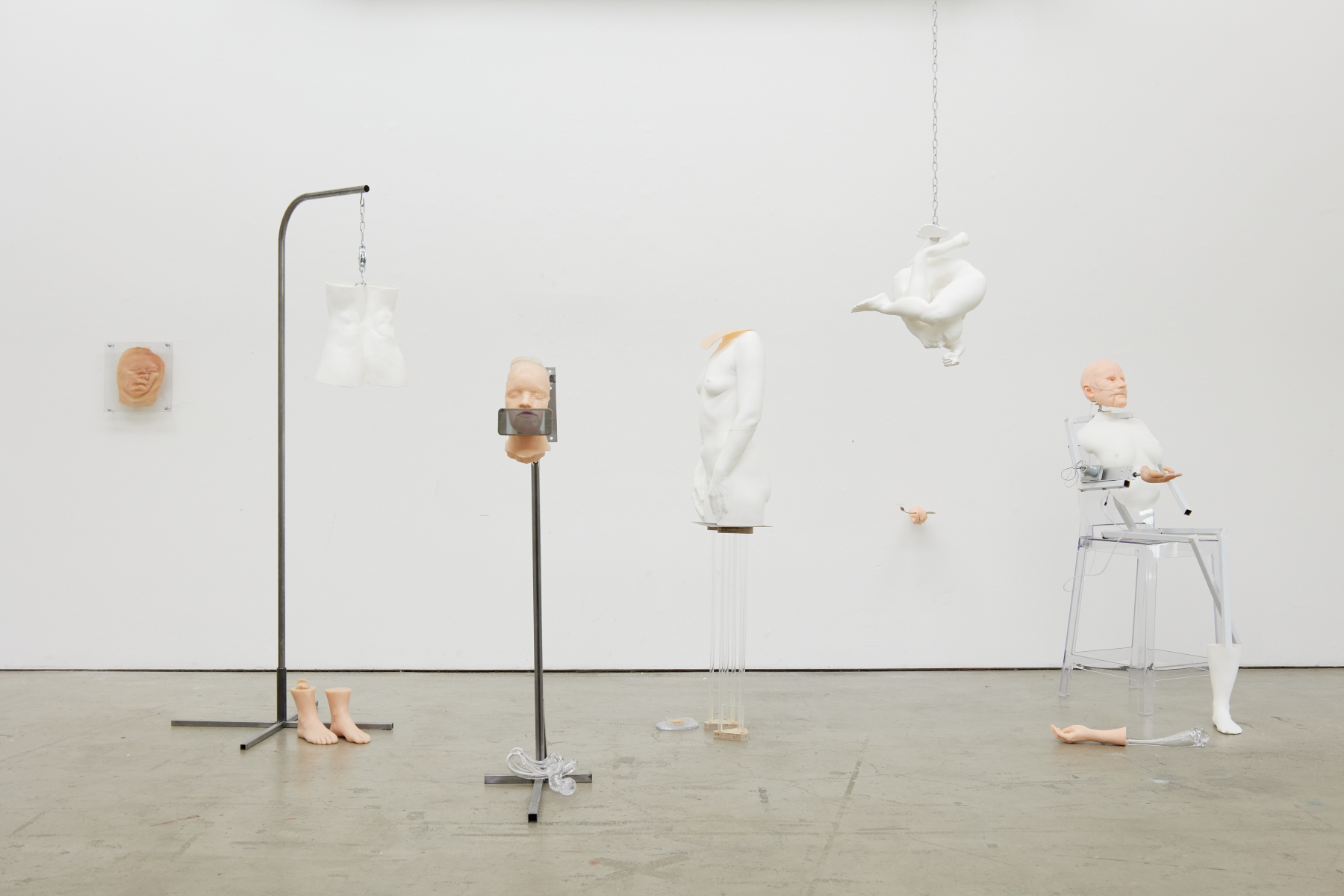
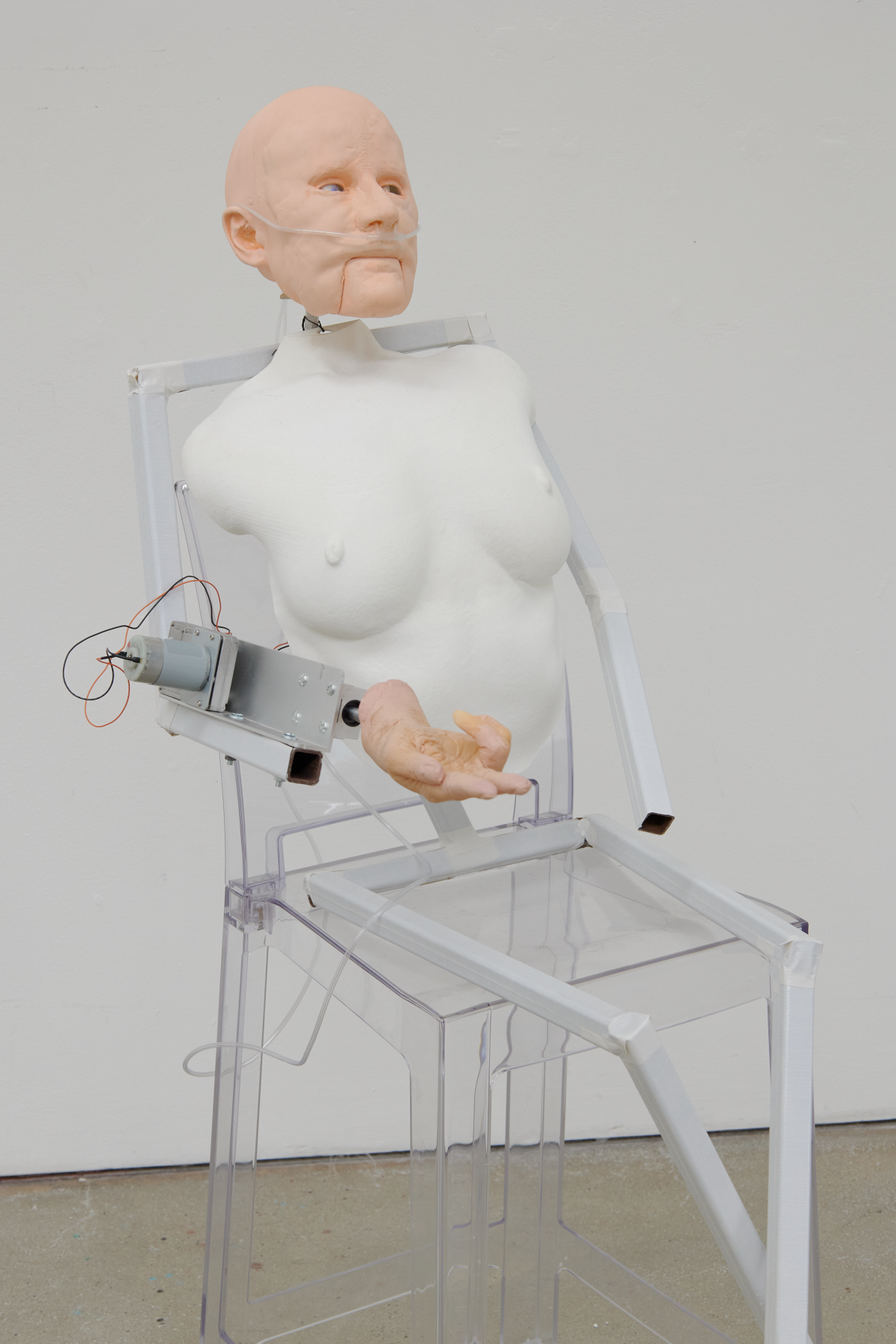
Annie Edwards’ essential area of focus is the human body. Her multidisciplinary practice distorts our familiar sense of reality by incorporating robotic, figurative sculptures with abstracted skeletal forms. Annie’s installation and performances aim to understand the body from biological, psychoanalytical and social perspectives. Her research choreographs the tension between body and machine, embedding visceral knowledge into mechanical gesture. Annie references wider systems of control present in domestic, medical and industrial environments, drawing on her personal experience of trauma, neurodiversity, atopic illness, and her background in farming.
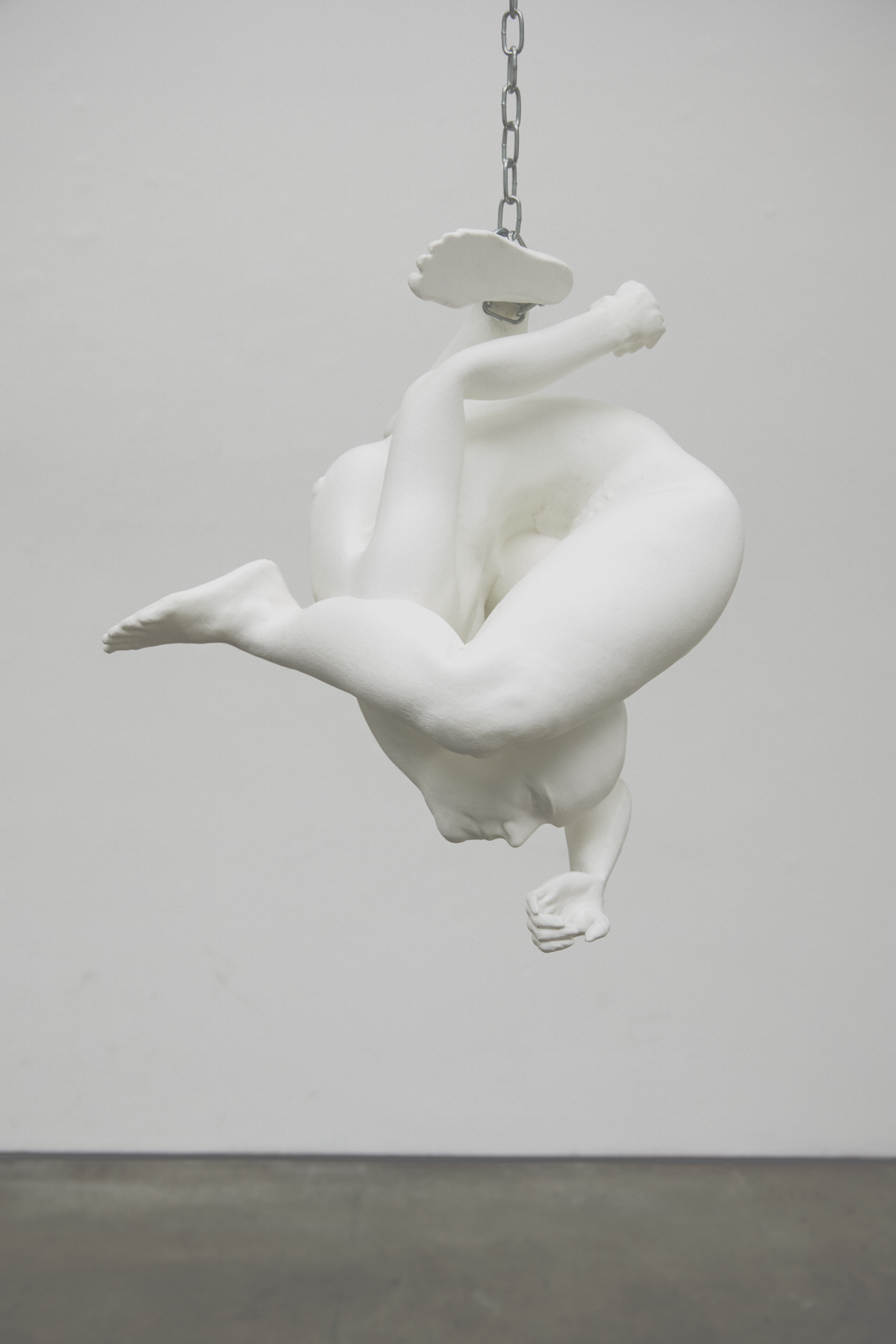
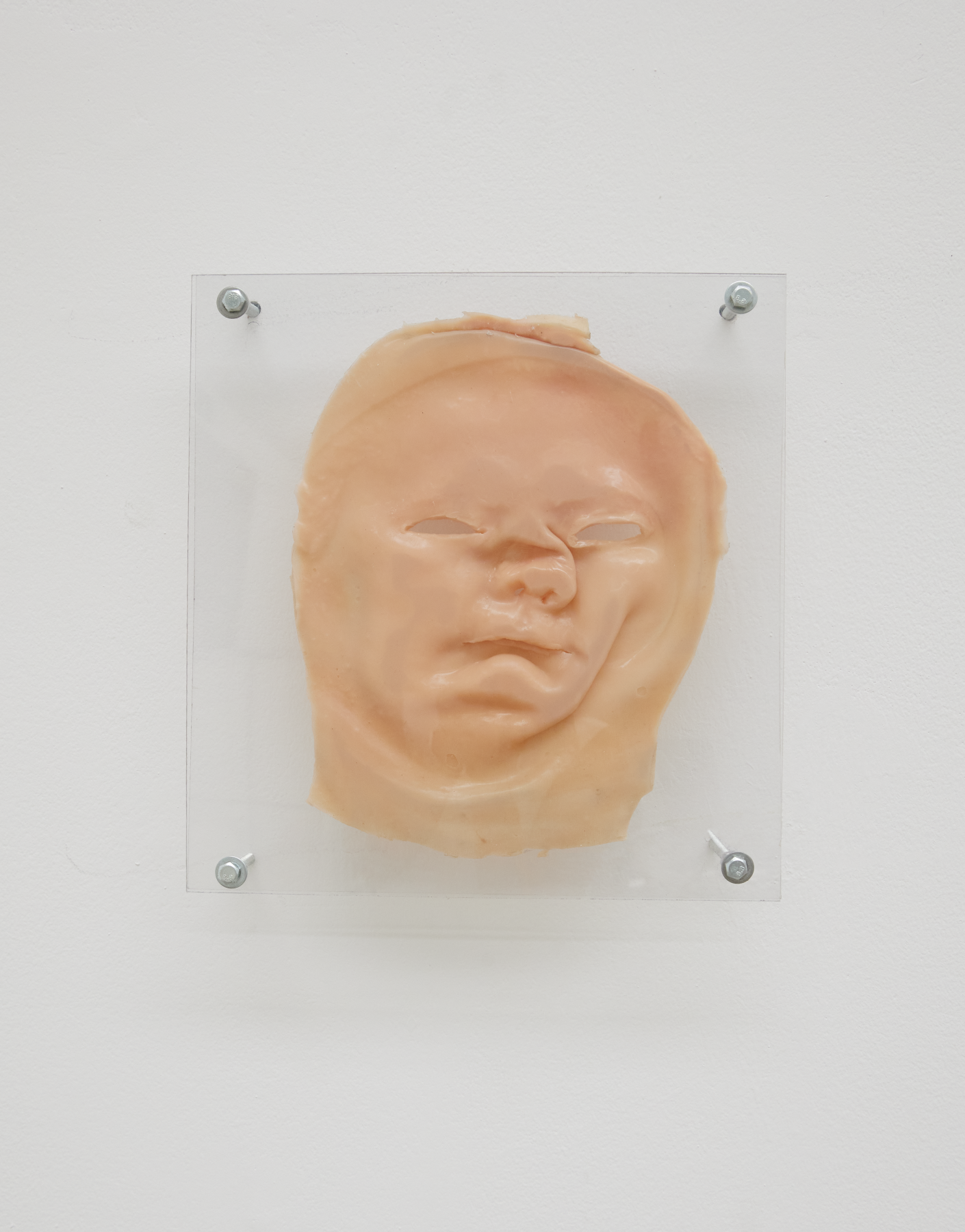
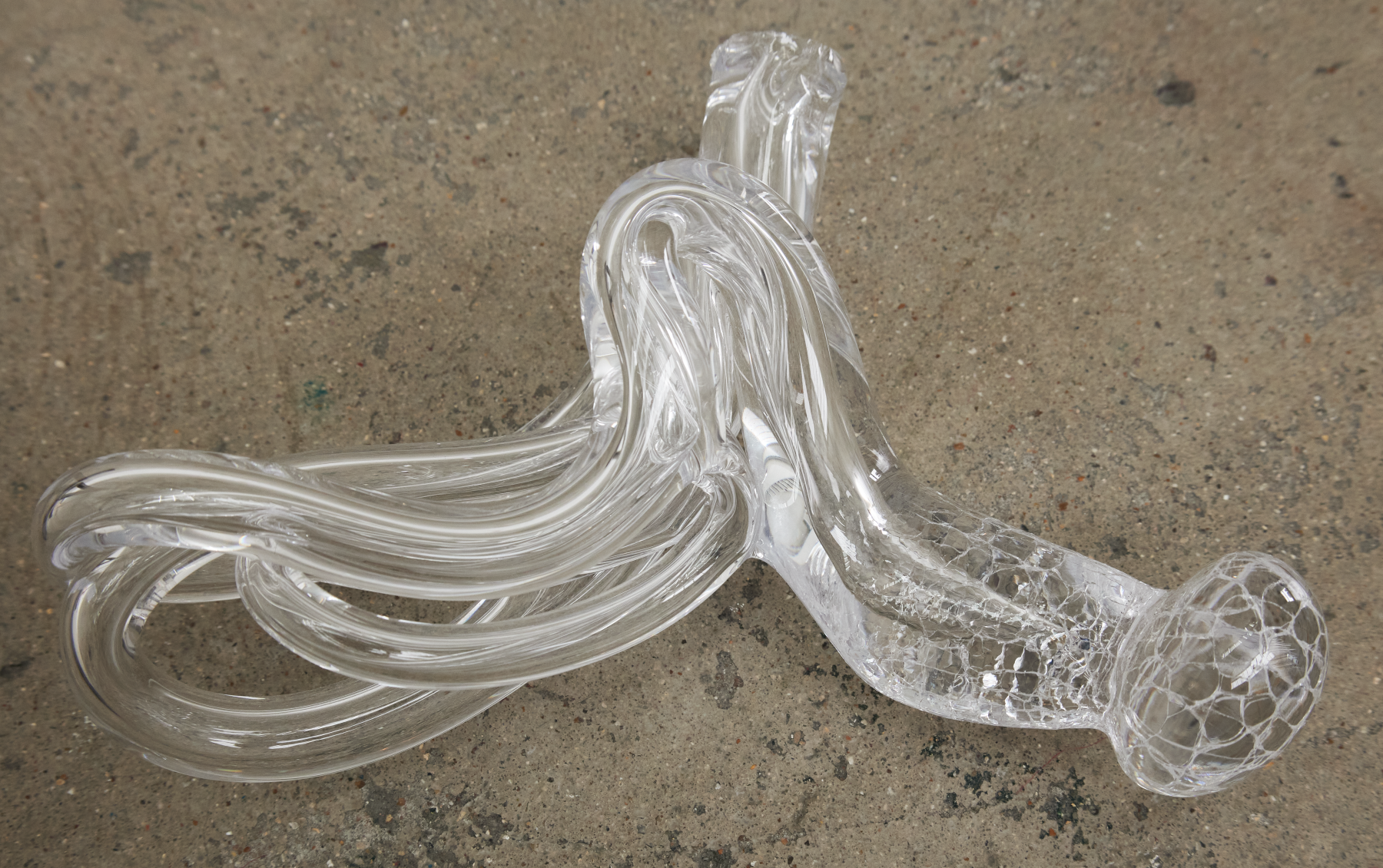
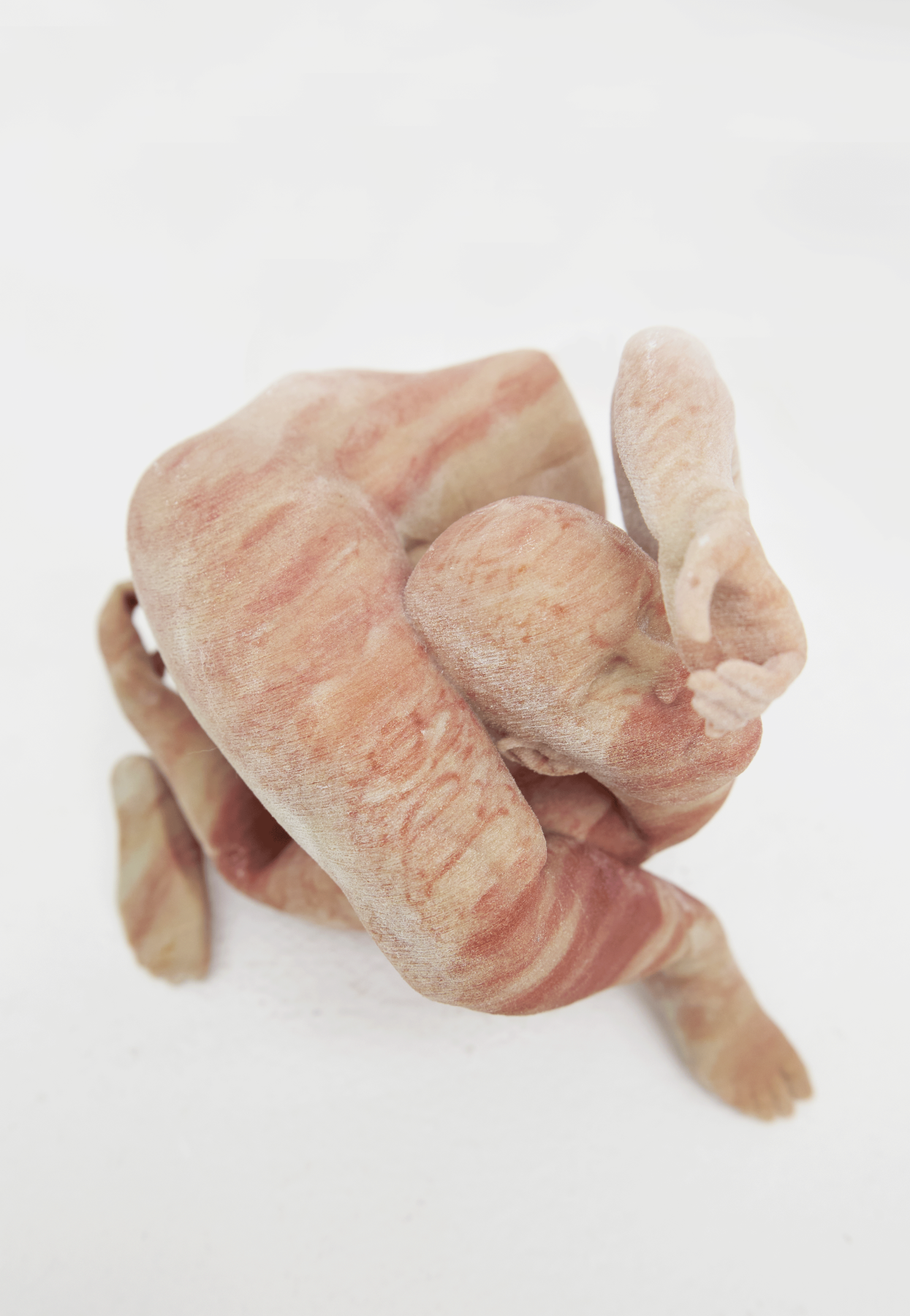
Annie’s practice interrogates the boundaries of skin—its texture, tone, and tension—both as a surface and a symbol. Skin becomes the barrier between what is hidden and exposed, a juxtaposing membrane of encasement and exposure. Through processes of building, dissembling, and rebuilding, Annie’s fragmented forms evoke the containment and expression of trauma within the body and brain. Drawing from abattoir architecture and her rural upbringing, she creates visceral metaphors of consumption, where bodies are reduced to objects within a system. Annie uses humor as both a disarming and subversive tool, addressing the parts of the body we are conditioned to shy away from. Her work embraces the grotesque and the abject as strategies to confront the beauty and discomfort of embodiment—using the language of the body to expose what is usually hidden, repressed, or deemed unacceptable. Annie’s work asks the viewer to reckon with their own embodiment, their own complicity, and their own capacity for tenderness.
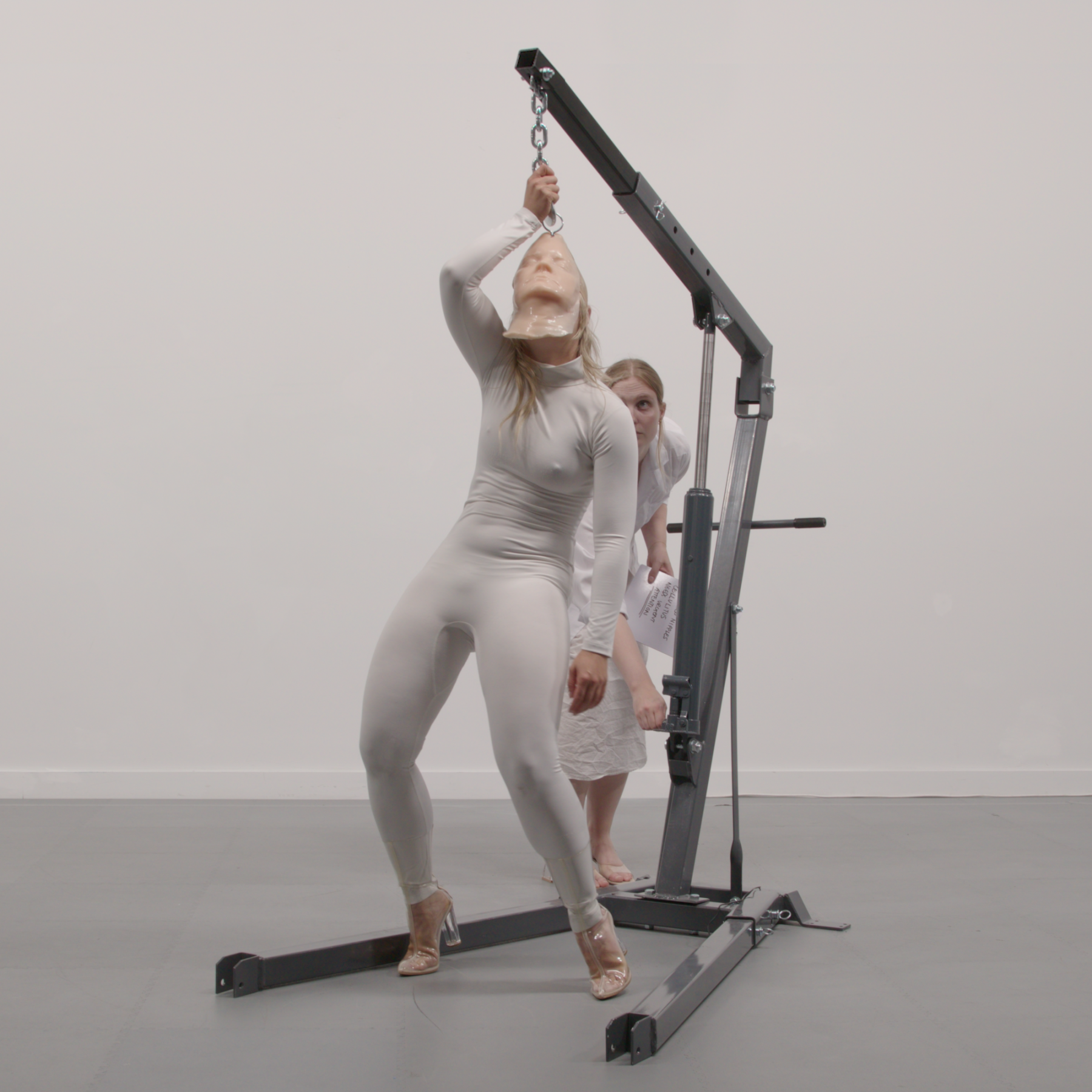
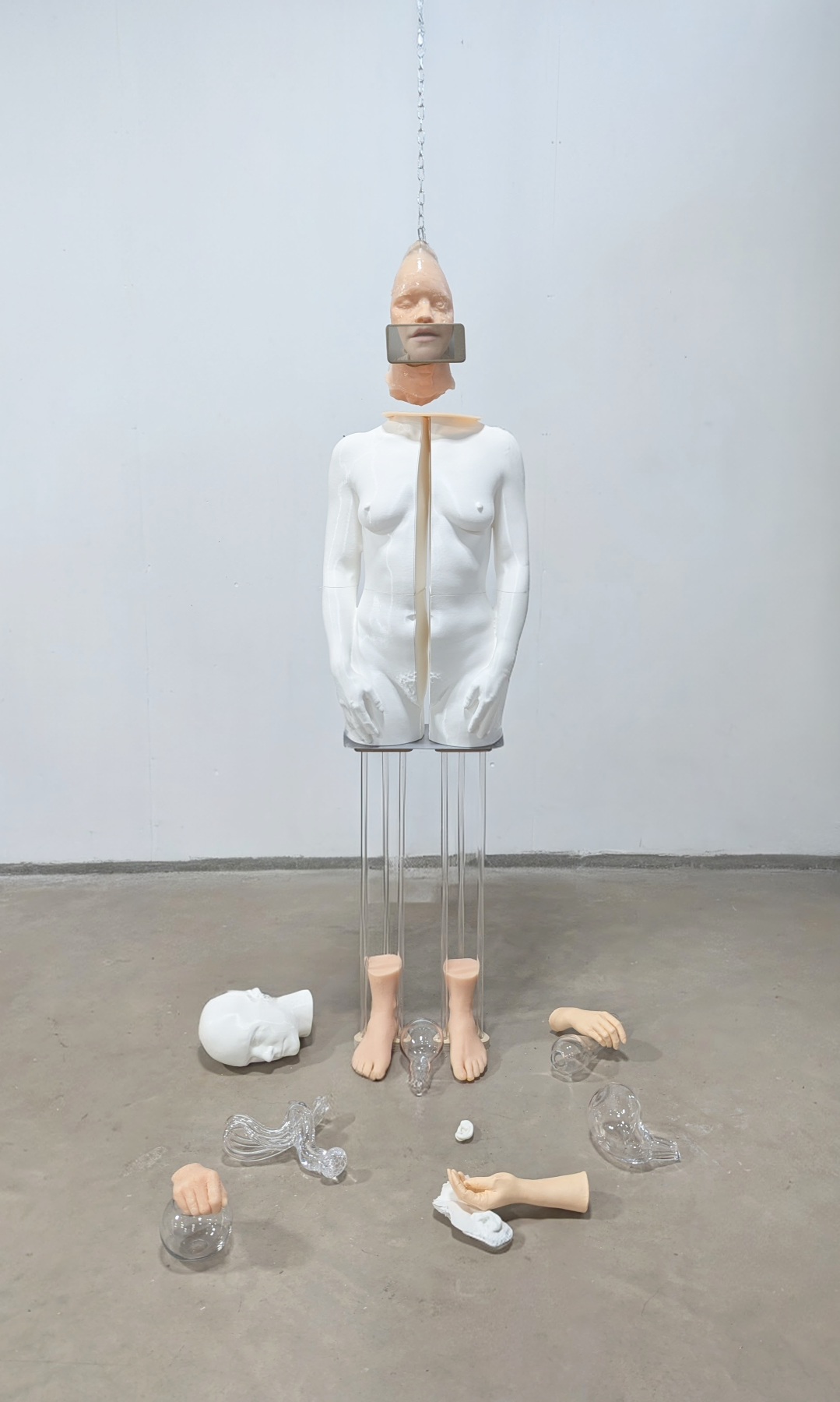
Executive Dysfunction is a performative installation by Annie Edwards that explores the parameters of the body and mind under systems of control. Informed by feminist theory and lived experience, the work explores how trauma, neurodiversity, and societal expectation intersect. Annie draws on personal encounters with PTSD, dyspraxia, and gendered medical bias to challenge the dominance of linear productivity, perfection, and coherence. Using her body as a site of resistance, she engages with fragmentation, absurdity, and humour to subversively undermine the myth of the functional, beautiful and the grotesque subject. Humour is used as a subversive tool to critique and debunk the misogynist notion that women aren’t funny and do not have the capability to be as funny as men. The performative element is both messy and precise—disrupted gestures, repeated attempts, and laboured rhythms mimic the executive failures often kept hidden from the exterior gaze. Drawing parallels between domestic labour, medicalised femininity, and industrial systems of meat production, Annie positions dysfunction not as deficit but as critique. Executive Dysfunction reveals the cost of expectation, masking, compliance, and hyper-efficiency—reframing failure as a feminist, neuroqueer strategy of refusal and embodied protest. Executive Dysfunction unpicks the fragmented and polarized expectations placed on women and their bodies through a sexual lens. Mechanized and controlled pleasure is symbolic of the objectification of the sexualized female body. Gender roles and dynamics are explored in the interplay of power between the 'doctor', the objects, the machines and the 'subject(s)'. The responsibility of the gaze as judgement is placed on the viewer, causing feelings of voyeurism, introspection and concern. The viewer subliminally adopts the role of 'doctor' as part of the observational assessment, making internalized judgements of the 'subject'.