
Biography
Marie-Thérèse Ross’ work explores her inner unconscious world, focusing on conflicting states of the physical body as well as emotional and psychological transformations. The human figure is central to her practice as she explores the human condition. She seeks to both reveal and hide awkward personal experiences, episodes that reflect on her own sense of vulnerability and mortality.
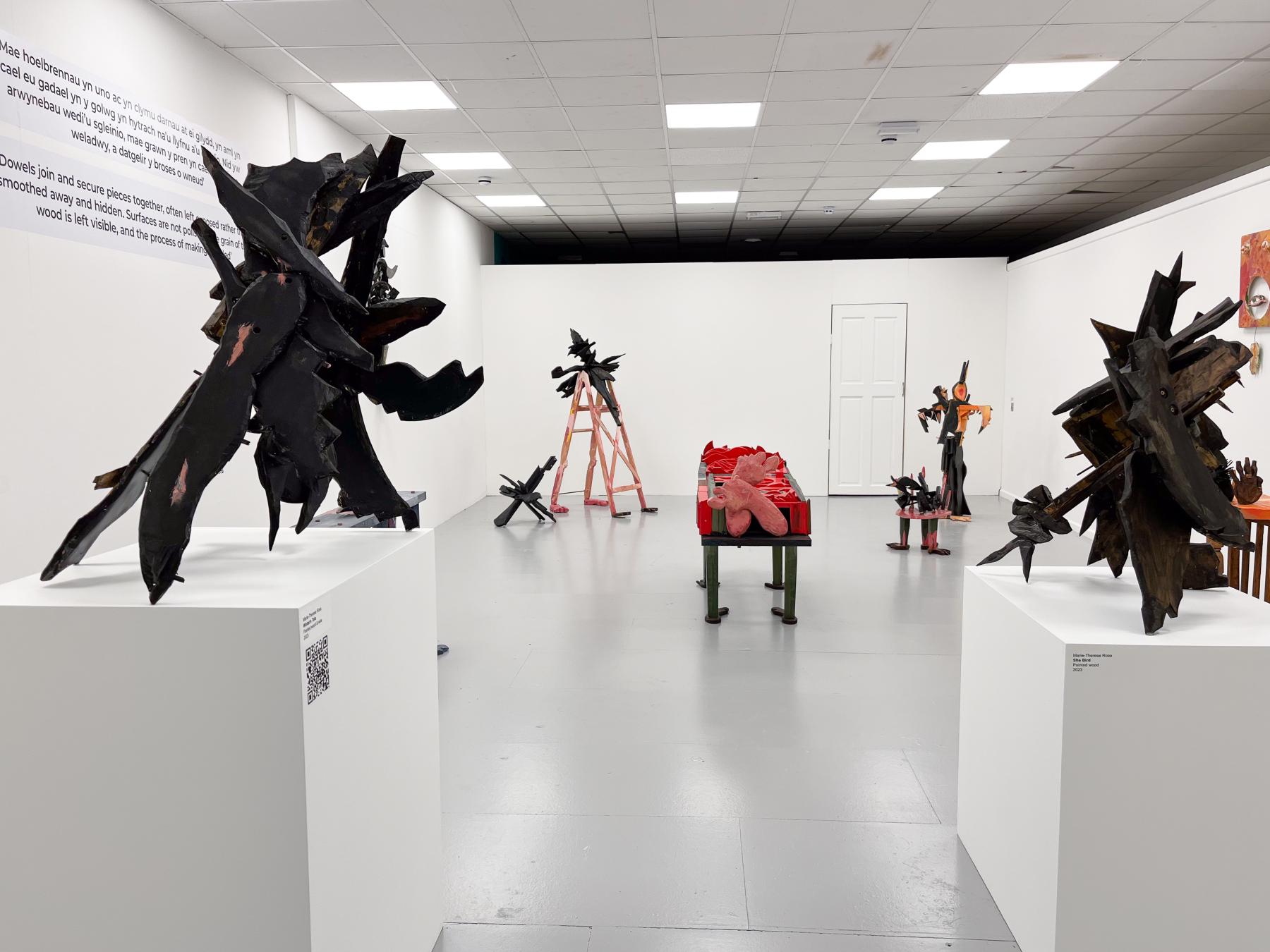
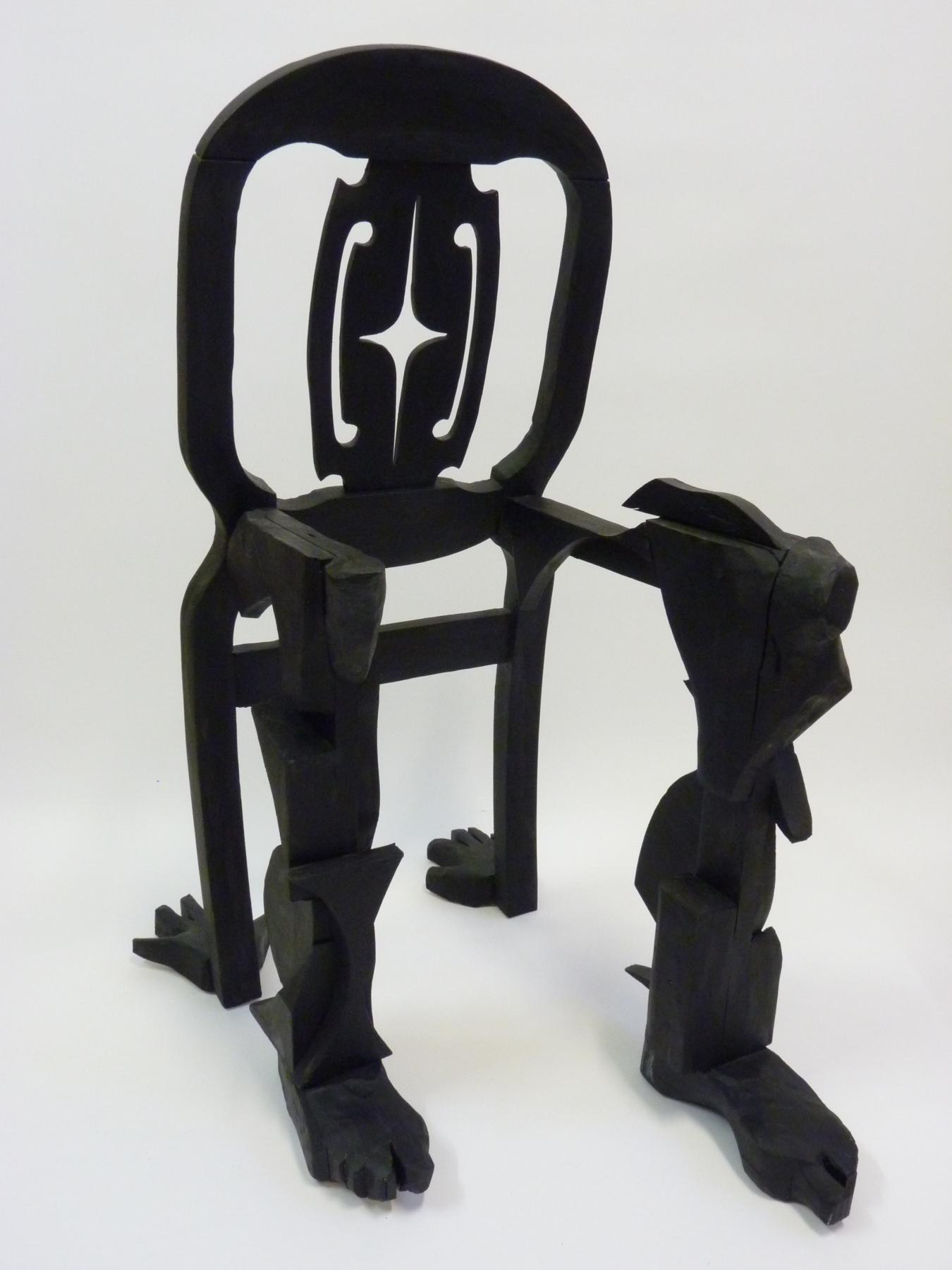
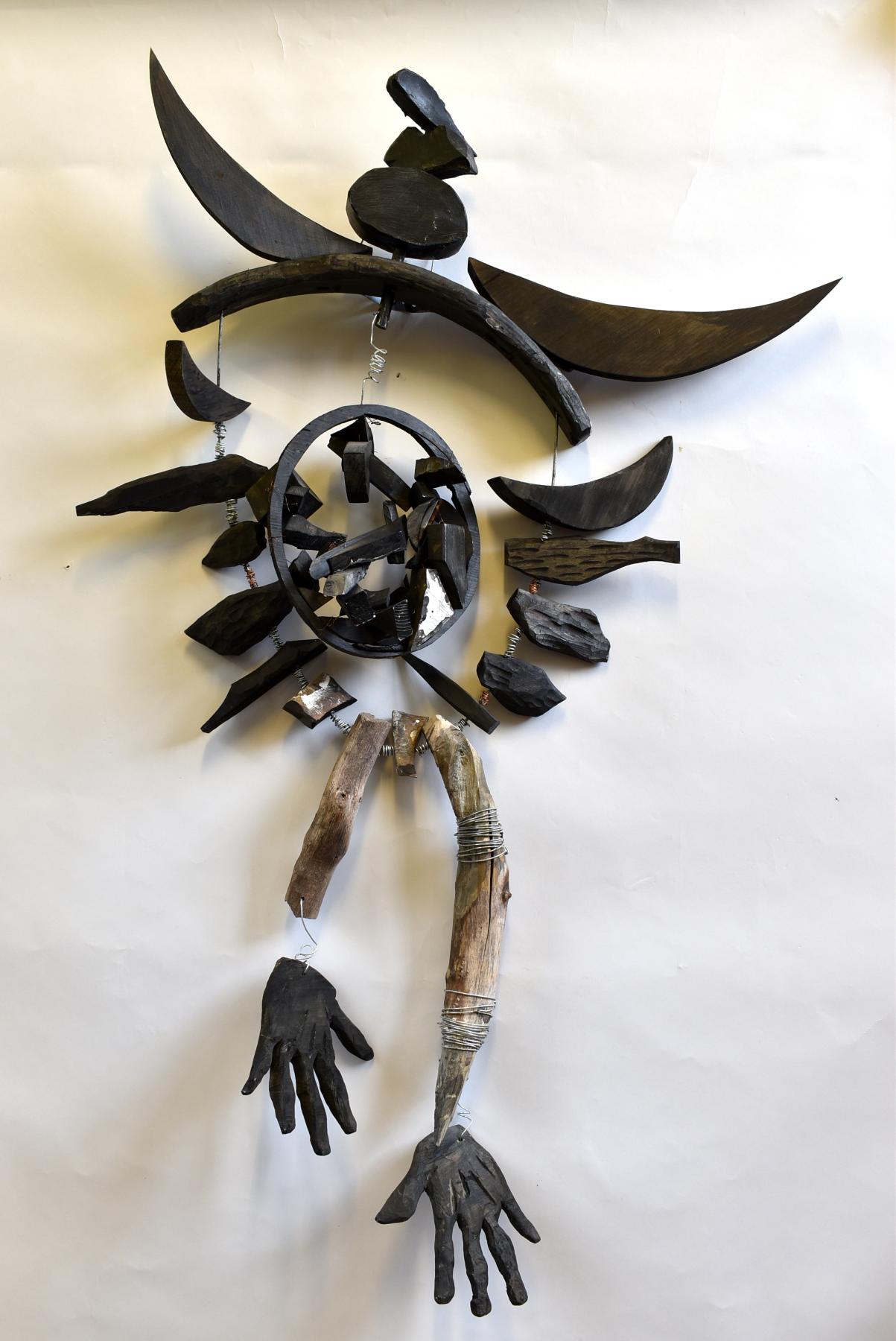
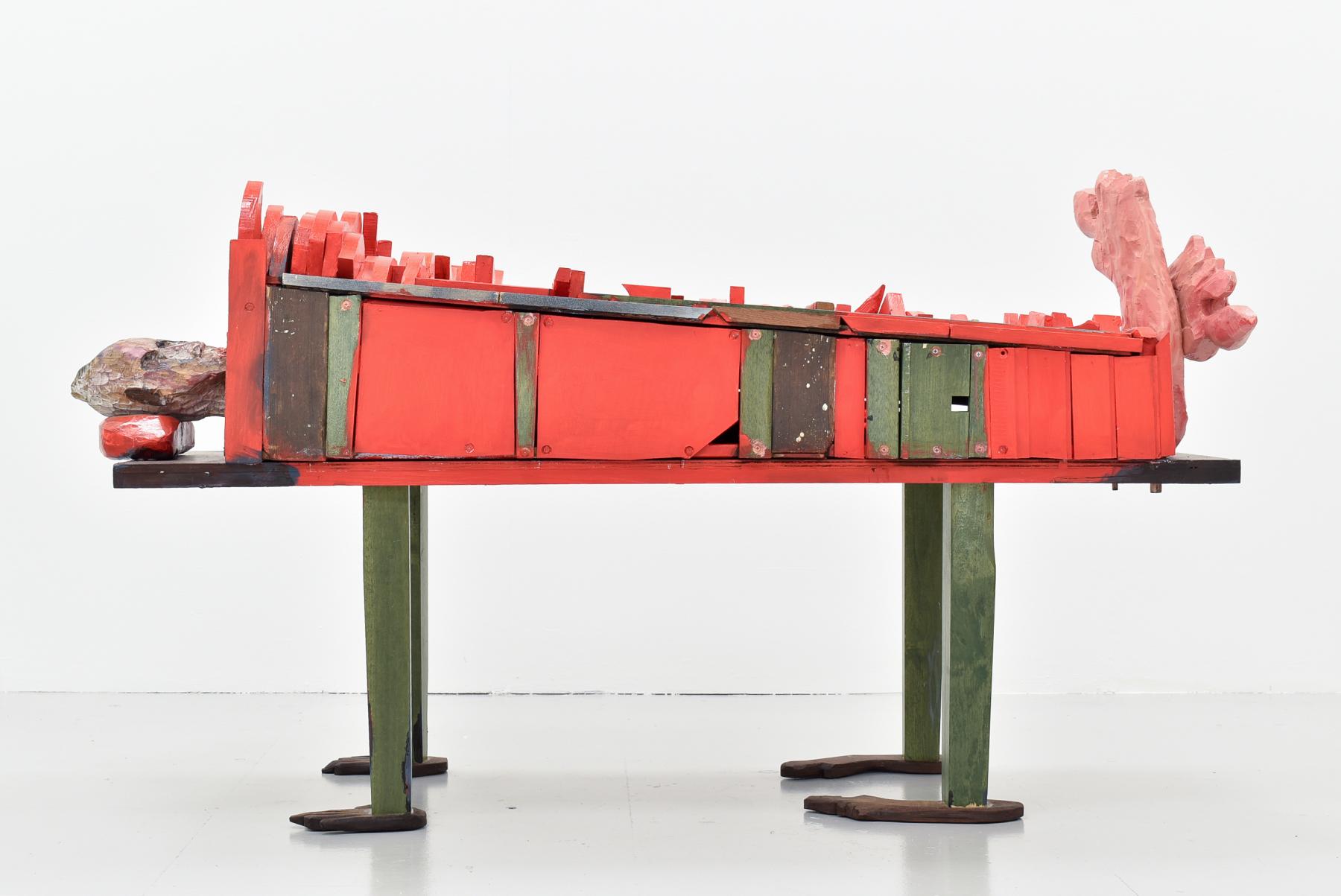
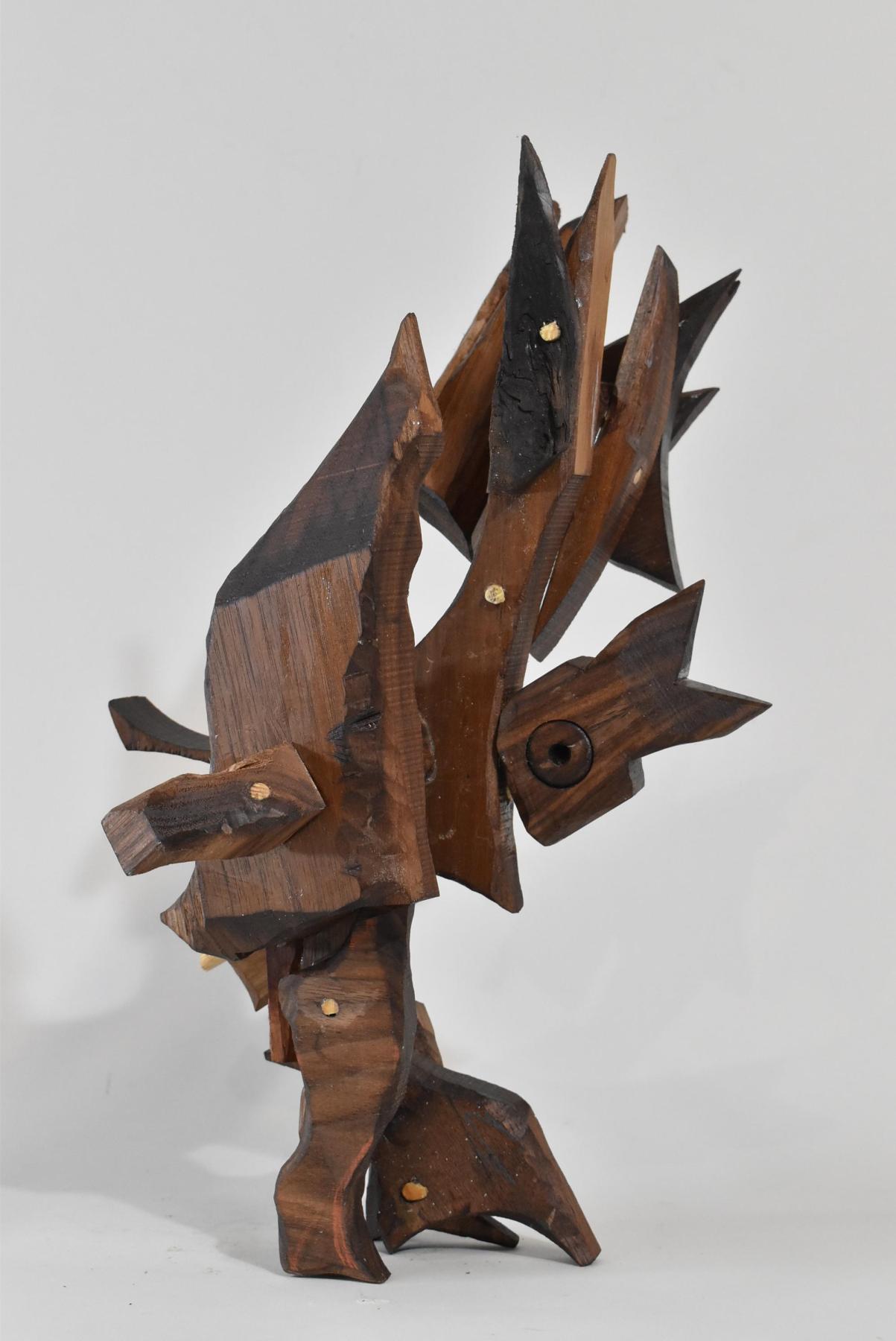
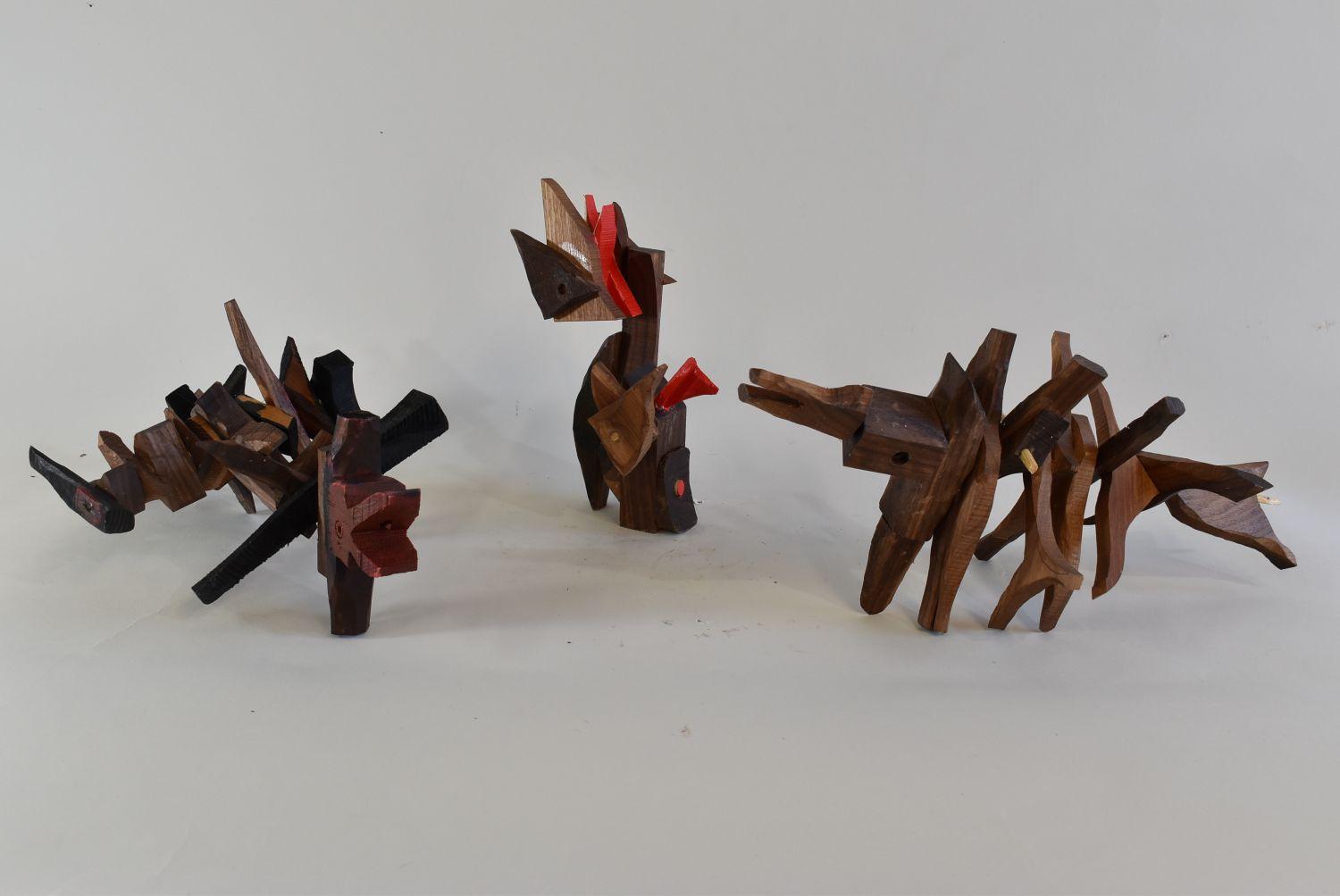
Marie-Thérèse carves and laminates upcycled wood and incorporates discarded ‘found’ objects which are then integrated and sublimated into the works. She is drawn to wood as a material because of its place in the history of art within the canon of painting, printmaking and sculpture. Its physicality and suitability for collage and colour allows her the flexibility of building three-dimensional works imbued with a powerful visceral and emotive quality. She constructs works that extend into physical space and yet exist between painting and sculpture. Her playful and spontaneous approach to the process of making gives her work a humorous and darkly subversive quality, confronting themes which include grief, and mortality.
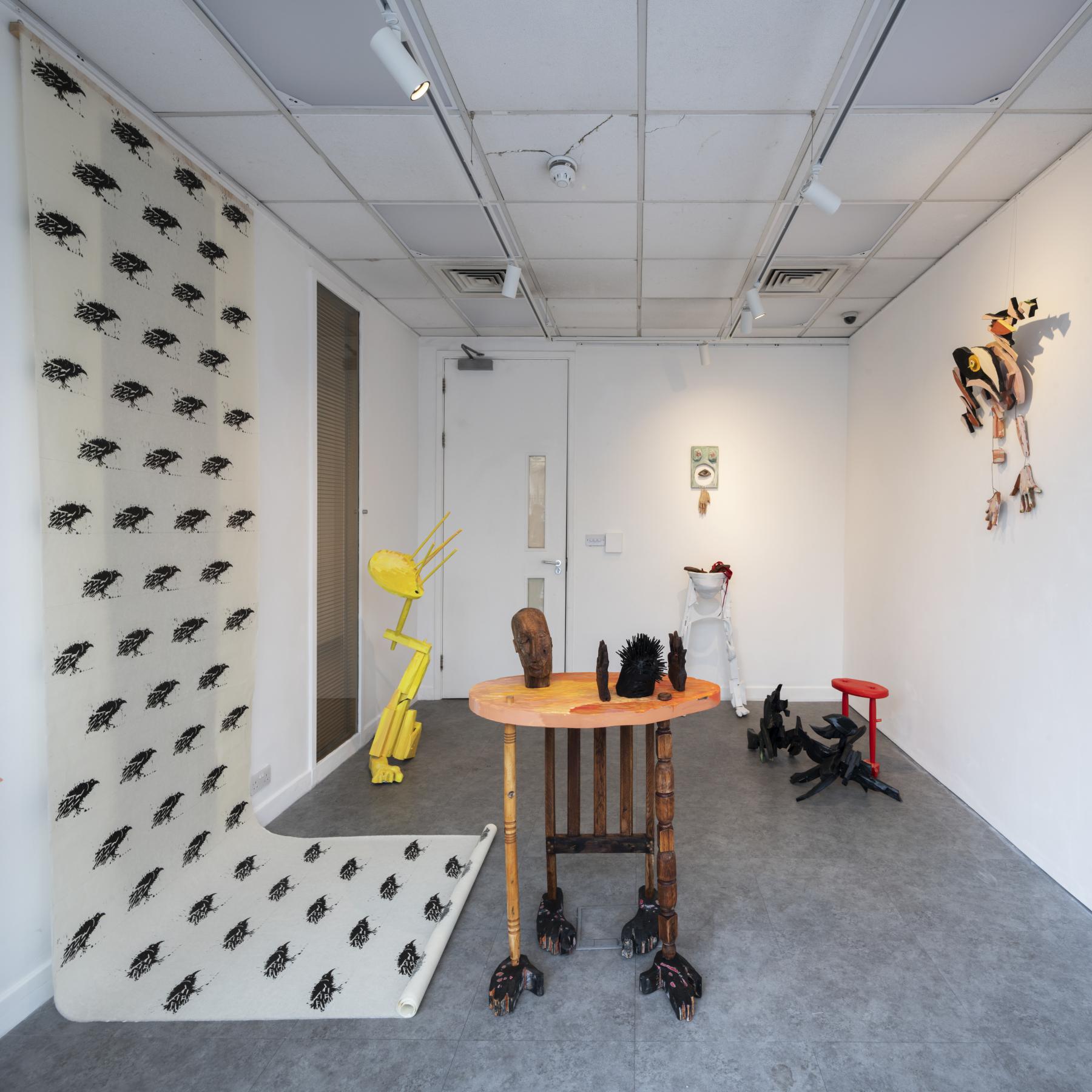
In 2023 Marie-Thérèse was awarded a month-long residency on the isolated Scottish island Eilean Shona, an experience which left a lasting impact on her practice, inspiring her to explore the landscapes she saw through sculpture. These sculptures explore memory and place, as well as the human condition through integrated carved feet and hands, describing and tracing human presence, touch and memory. The human experience is central to Marie-Thérèse’s practice as corvid-like birds and anthropomorphic furniture are given physical human qualities and postures. Whereas the birds and creatures appear invasive, representing the disruption of the exterior world, the anthropomorphic furniture moves silently, reflecting the more vulnerable and fragile inner core. She creates immersive installations with sculptures of corvid birds and fragmented human figures which inhabit and animate furniture, some installations incorporating specially commissioned music.
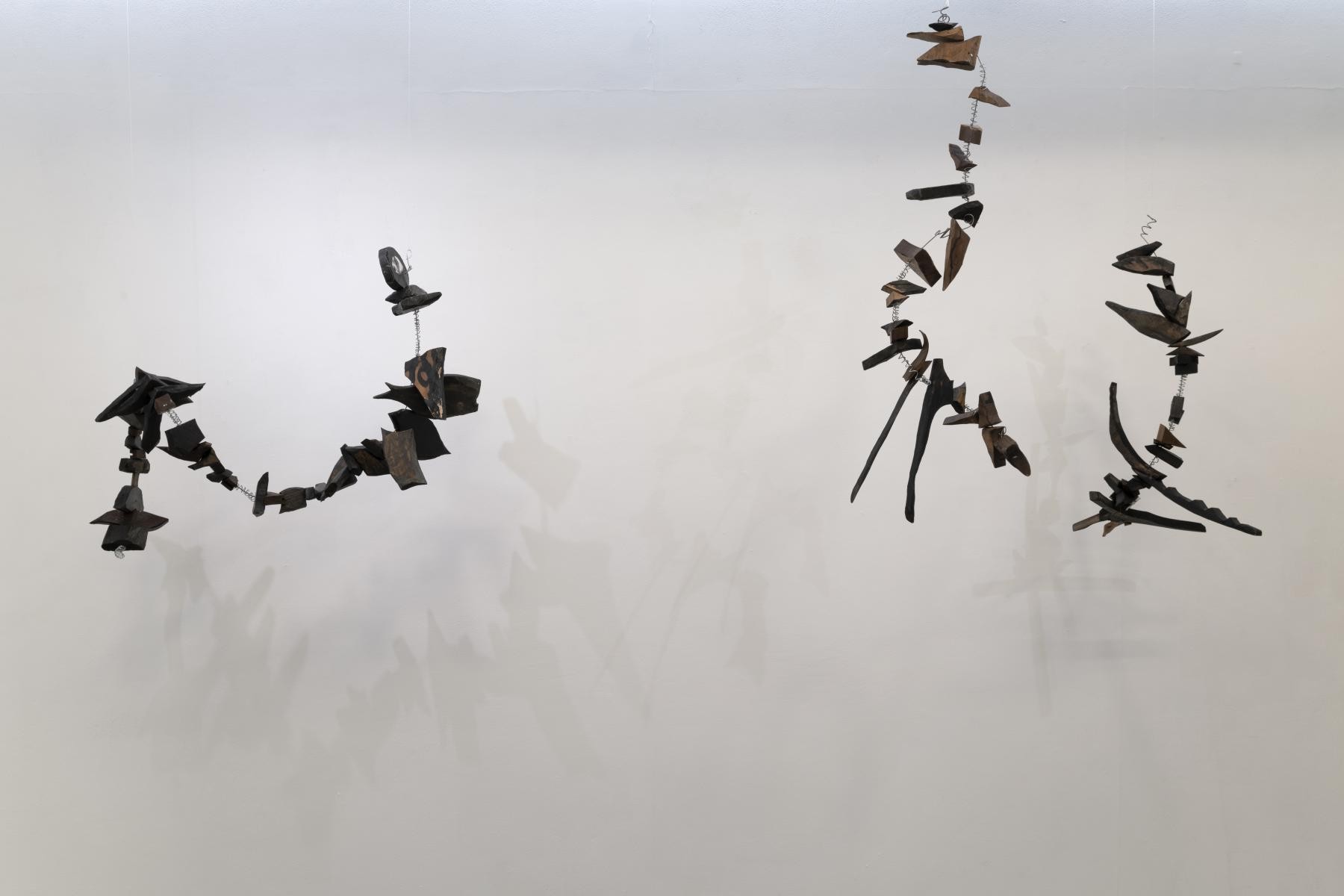
"Ross’ work repurposes scraps of wood which have lived other lives...(She) uses wood sourced from found timber and discarded furniture, including bookshelves from her parents’ home. Creating a vocabulary of wooden shapes which are strung on wire like notes on a stave or words on a line..." (Aliki Braine: Writing without words 2024)