
Biography
Julia Ellen Lancaster is a UK-based artist whose work often engages with imagined landscapes and speculative futures, exploring possible outcomes of our failure to respond to ecological collapse and omission of care for each other. Her practice is grounded in material research, investigating the histories, behaviors, and potentials of the substances she works with, primarily clay. By treating materials not just as media but as active collaborators, Lancaster uncovers how they can convey environmental narratives and socio-ecological critique.
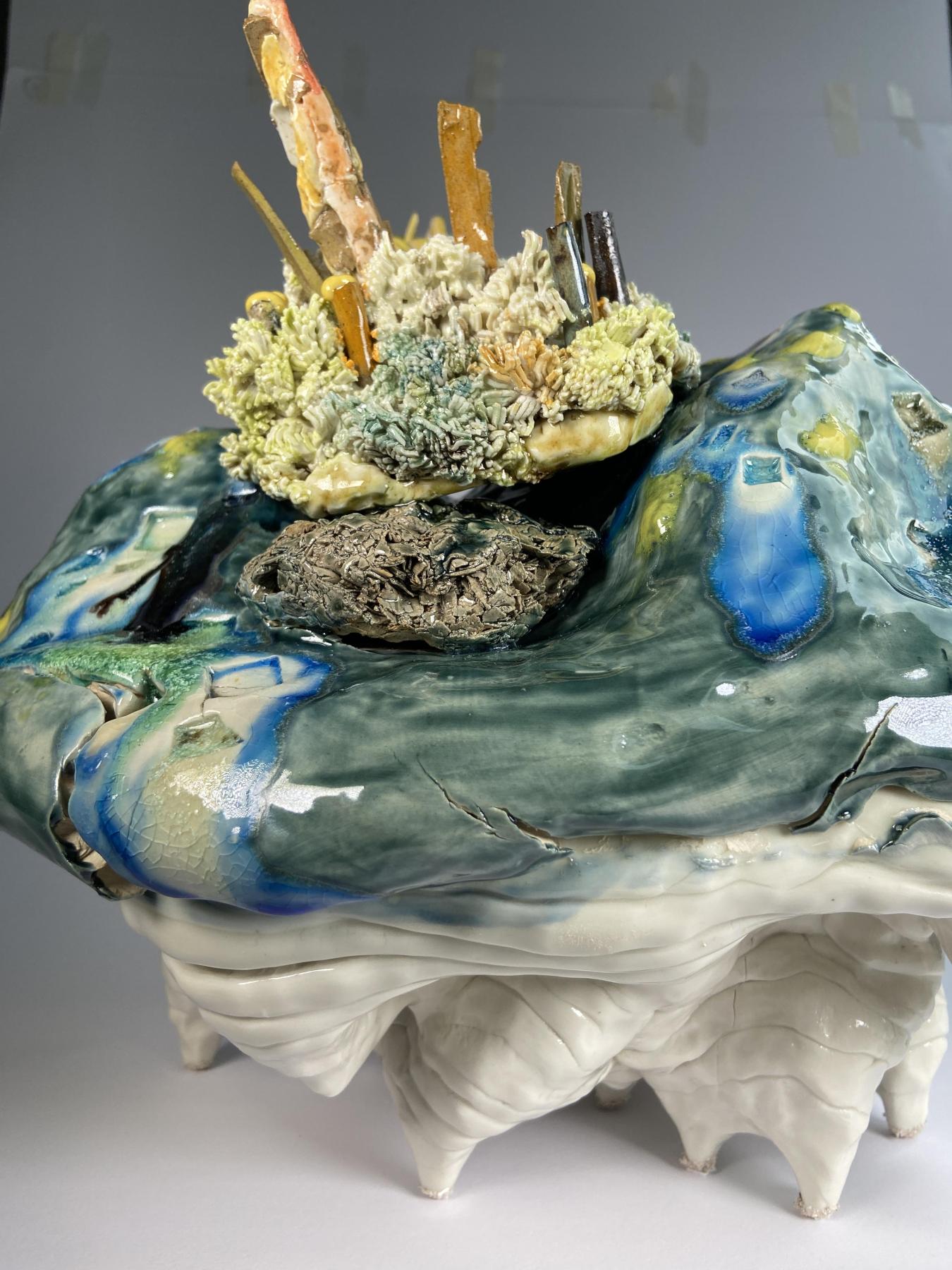
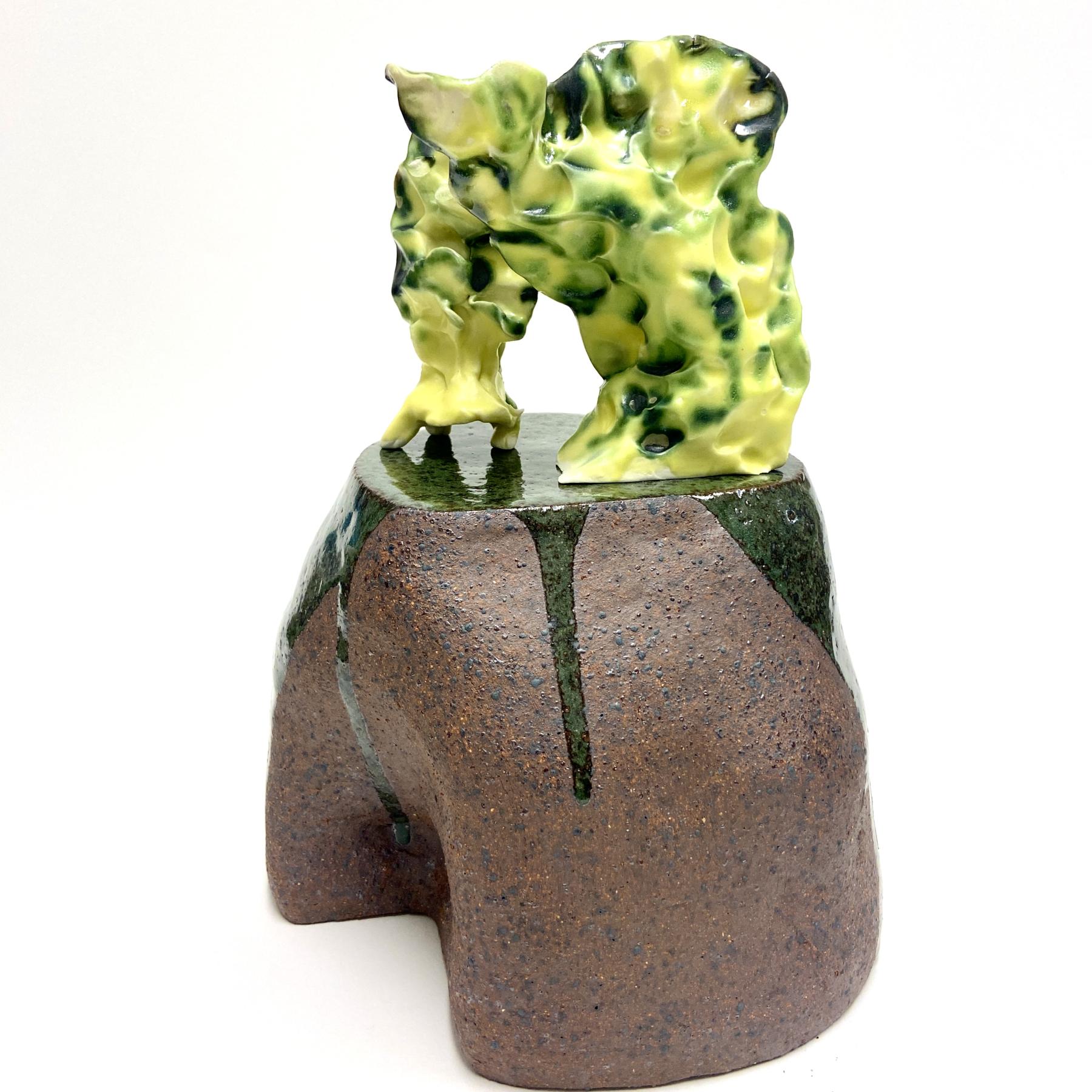
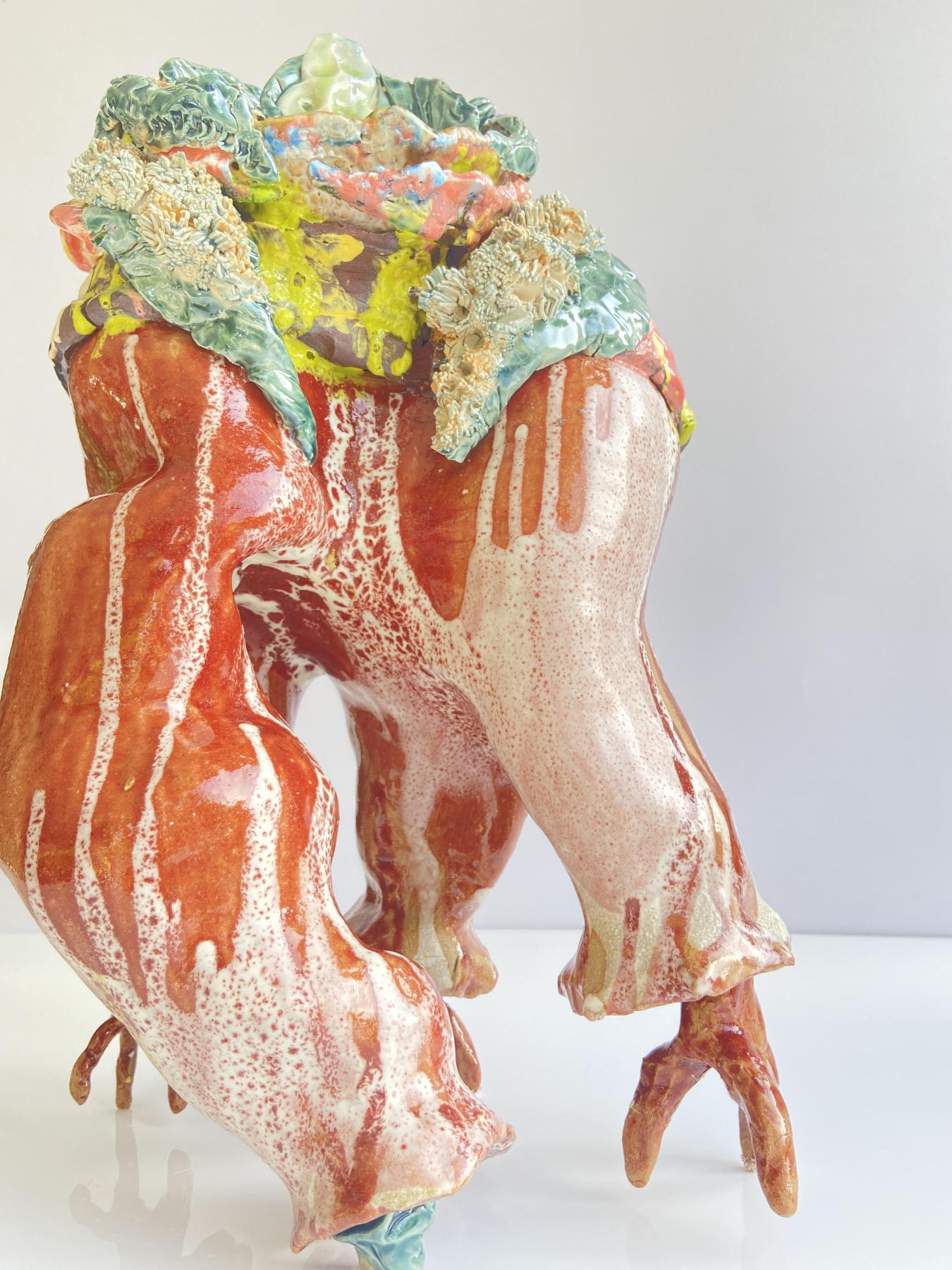
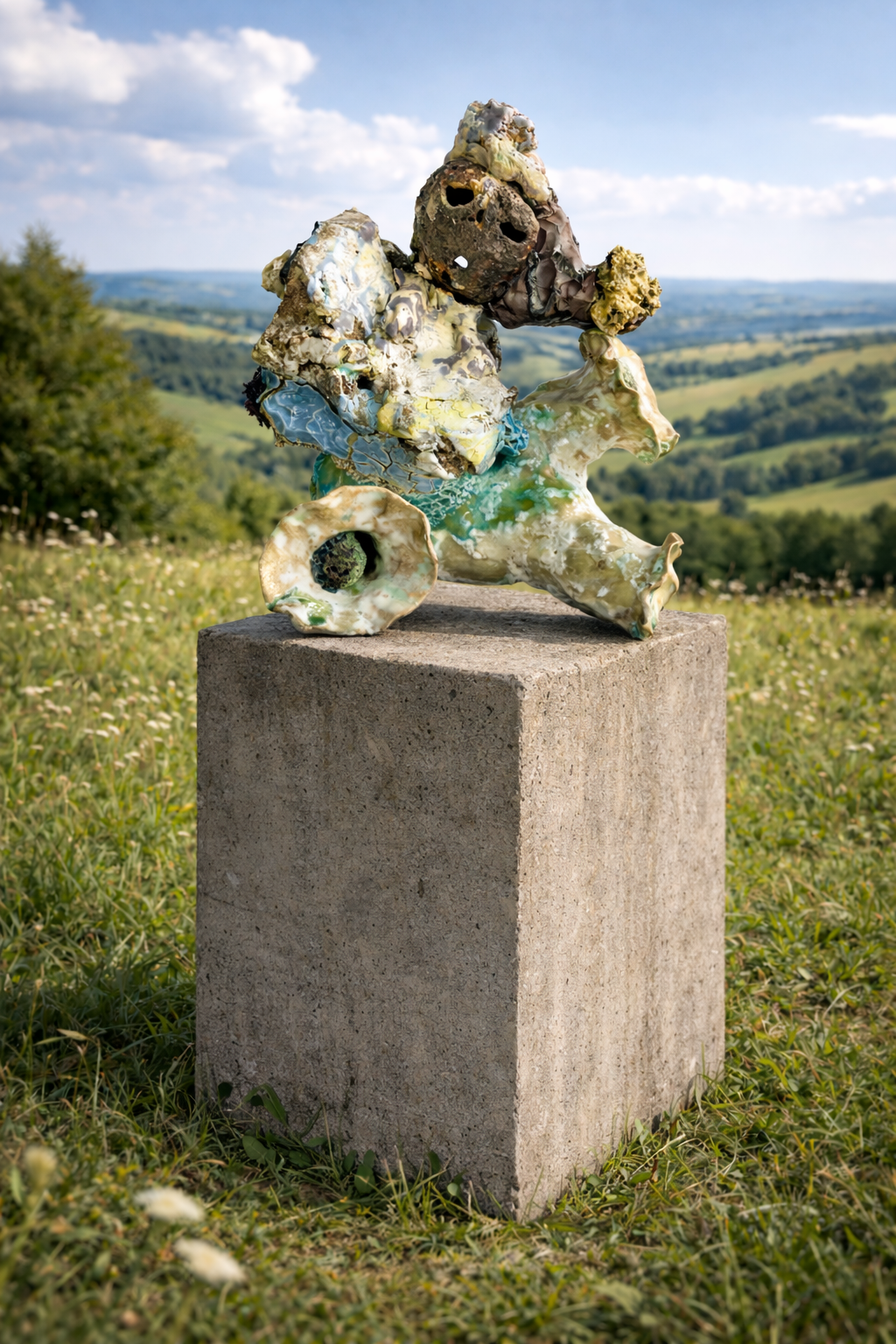
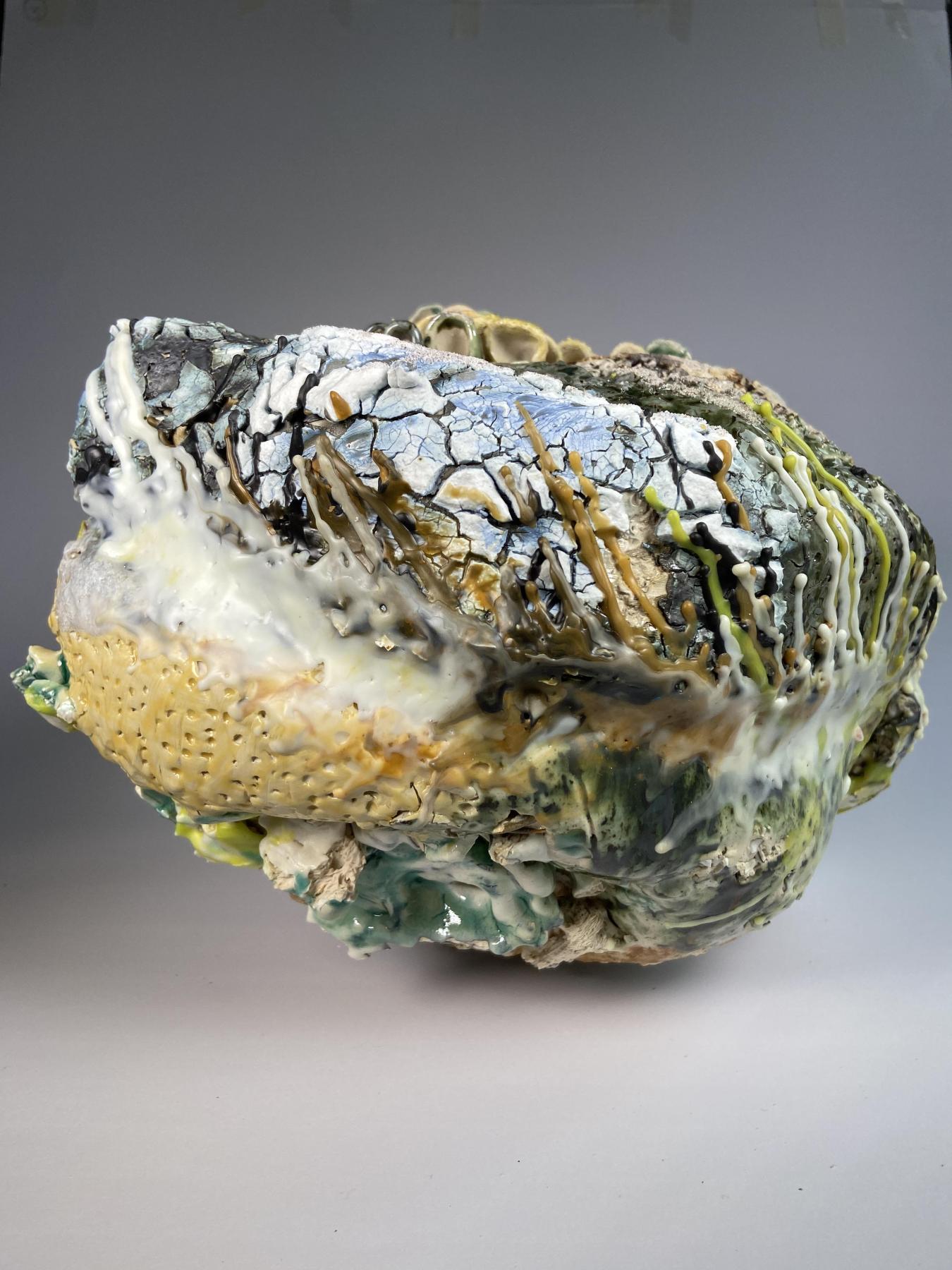
Some works appear to reference fossilized remains of extinct species, evoking a future where today’s familiar forms are relegated to memory. Other works draw on regenerative systems, mimicking the growth patterns of trees, coral reefs, fungal networks, or bio-adaptive architecture, to envision a world in which human structures and natural systems coexist in symbiosis. These investigations are underpinned by a sustained inquiry into how materials can express transformation, decay, and renewal, core themes in both ecological thought and artistic experimentation.
Her process is both conceptually and materially driven, synthesizing artistic inquiry, environmental consciousness, scientific and human reflection. This approach encourages viewers to contemplate our shifting relationship with nature and with each other. Ceramics, with their geological origins and enduring presence, serve as a strong medium through which Lancaster examines temporal and ecological continuity.
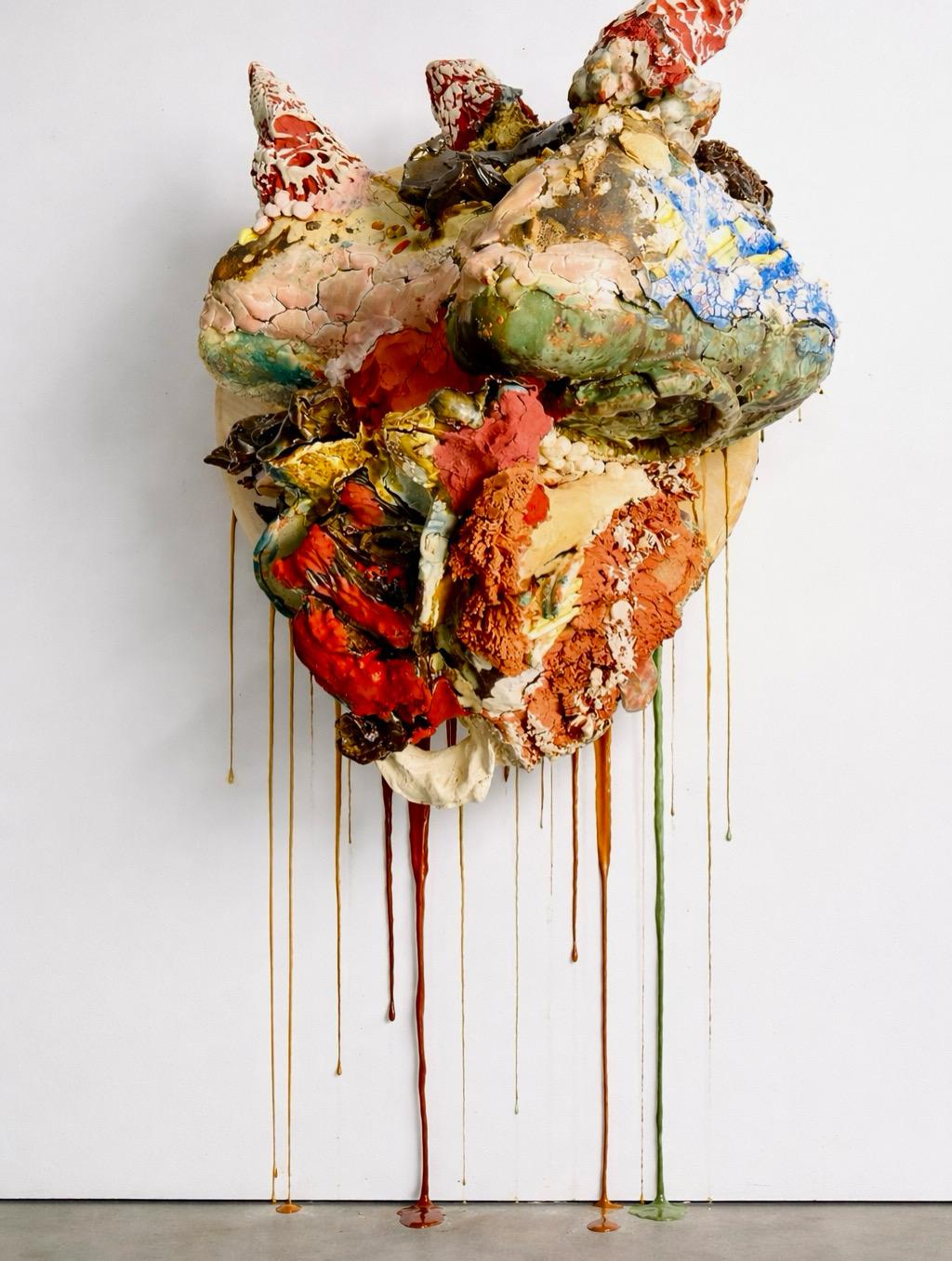
The sculptures retain a sense of precarity and chance, reflecting a continuous survey of humans’ relationship to the landscape (deeply connected and interchangeable) and a rapidly changing earth. Particular works adopt a bricolage approach, using a process resulting in what might be considered ‘living sculptures’, whereby they are added to over time, using pre-fired elements with new, wet clay, mirroring the ceaseless changes happening around us.
The clay used, shaped over millennia, carries traces of its origins, riverbeds, cliffs, or industrial sites, informing the work’s structure. This process extends a notion of Surrealist Automatism, transforming it into a tactile, instinctive practice. By collecting, reclaiming and reshaping clay, Lancaster is channeling subconscious associations, connecting past, present, and future along with a fascination for the Baroque, modernist Architecture and infusing materials with the structure of poetry, the range of literature, the drama of movement.
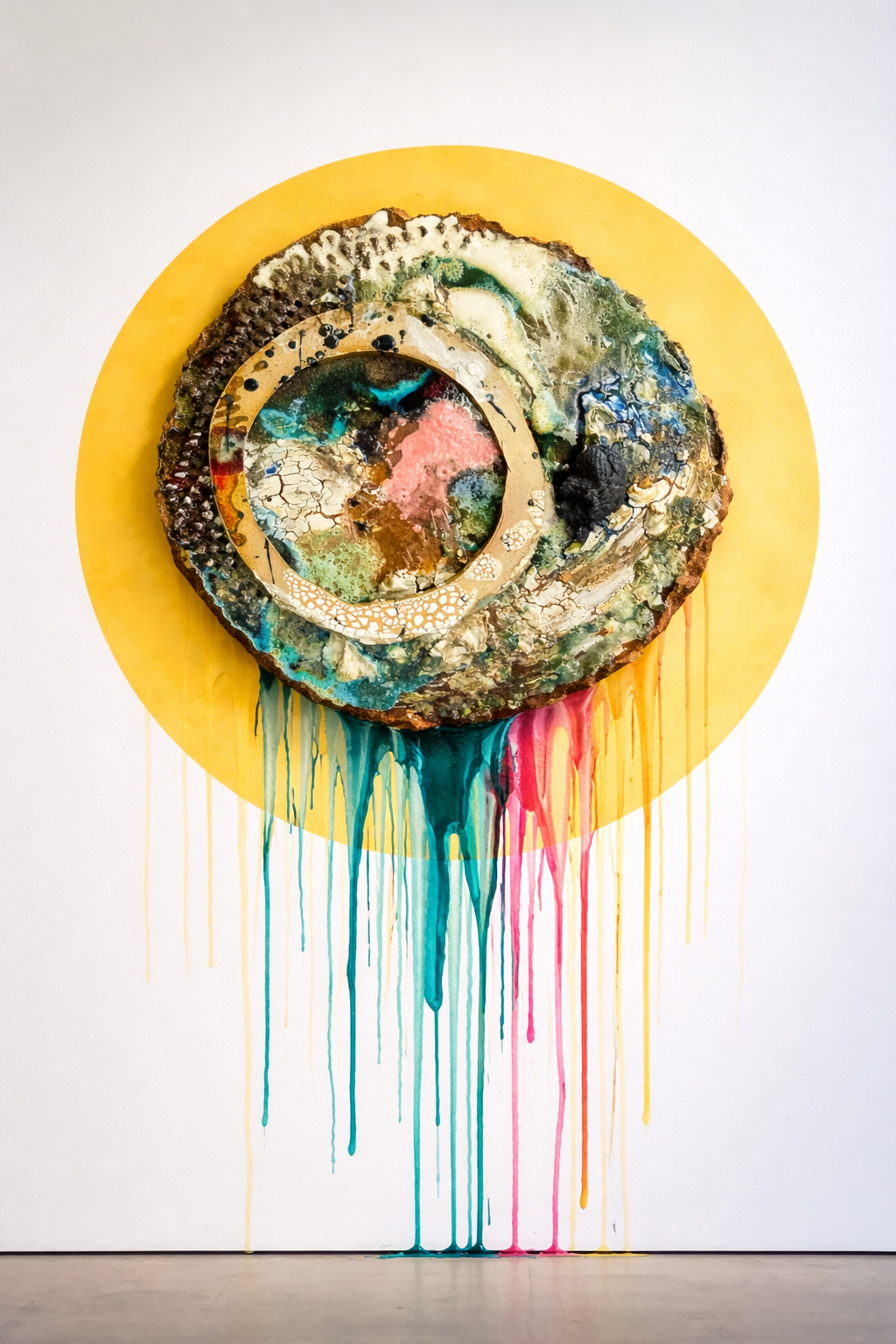
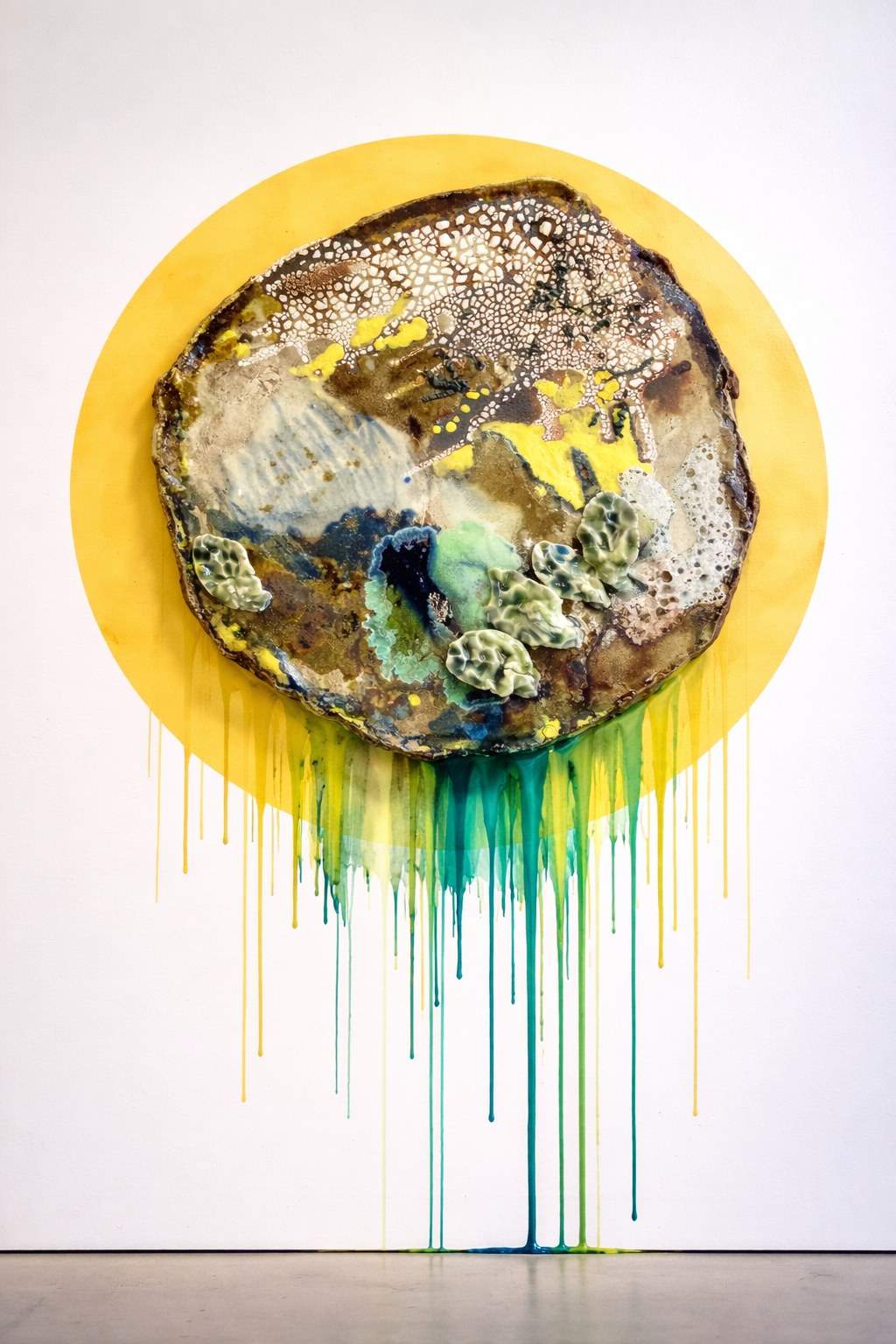
Challenging conventions and expectations of sculpture through her primary medium of clay, Lancaster integrates elements like ceramic plinths, metal attachments and found objects to propose a distinct new relationship between materials, history and purpose for the viewer
'The Whole World In Our Hands' - a group exhibition curared by Julia Ellen Lancaster, held at The Stephen Lawrence Gallery, April - May 2025. Six women artists who use clay as a medium to reveal, rupture, resist and reconnect. Clay holds deep historical, cultural and economic significance, embedded layers of time, environment and society. These artists explore clay's transformative power, challenging notions of value, examining personal narratives, myths and historical events and the ongoing extraction of natural resources. " The true material of ceramics is not clay. The true material of ceramics is time itself" Mathieu, Paul. The Art of the Future: 14 Essays on Ceramics. Vancouver: 2015