



Biography
London sculptor Briony Marshall operates at the intersection of scientific inquiry and material investigation, pursuing a research-based practice that makes the imperceptible accessible through form. Her sculptures range from intimate bronze molecular structures to monumental rammed earth installations engaging communities in environmental dialogue.
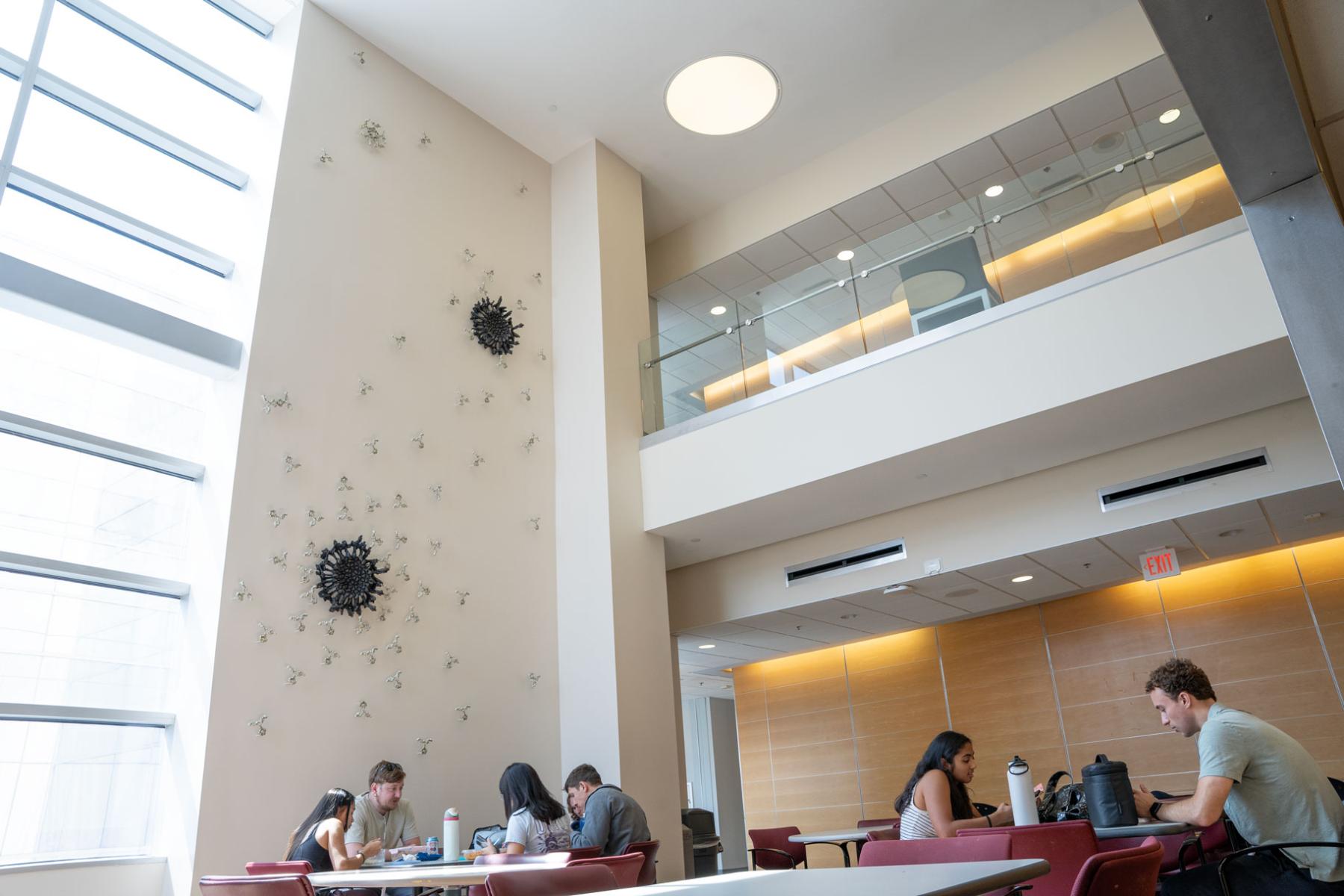
With a Biochemistry degree from Oxford and art training at the Art Academy London, Marshall has developed a distinctive interdisciplinary methodology through residencies in research laboratories. Her Visualizing Virology residency at Vanderbilt’s Center for Antibody Therapeutics (2024–25) led to Silent Sentinels, a bronze and pewter sculpture unveiled in Nashville in 2026. Her public commission Layers of Bournemouth received finalist recognition for the Marsh Award for Excellence in Public Sculpture.
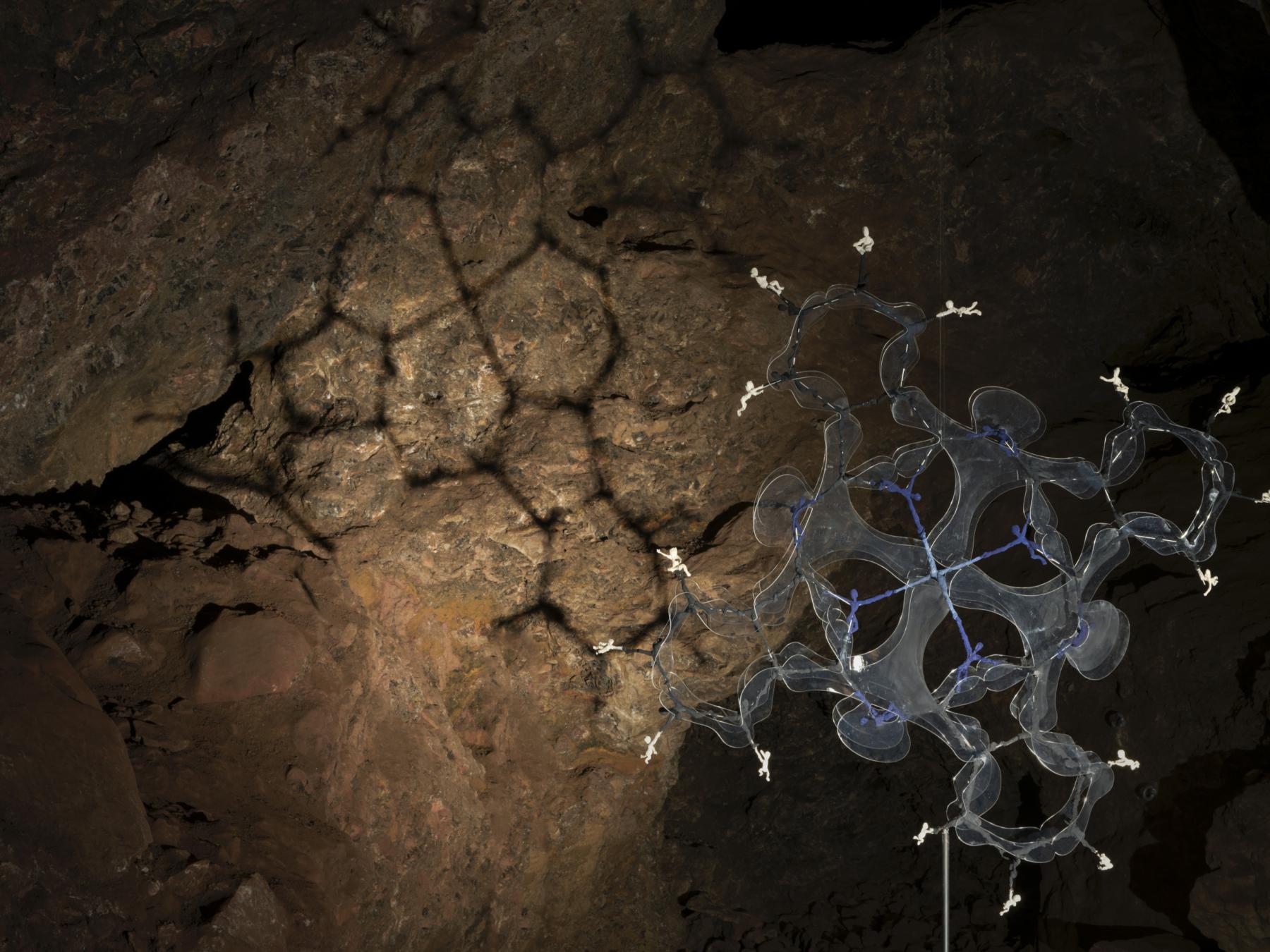
Her 2018 commission Barton’s Chair, a large molecular sculpture inspired by Nobel laureate Derek Barton’s chair isomer of cyclohexane, hangs at the heart of Tonbridge School’s new science centre. The Royal Society of Chemistry named her one of its ‘175 Faces of Chemistry’ to celebrate the 175th anniversary of the Society.
Marshall is shown by Pangolin London. Her work DNA: Helix of Life is on show in the How do we know? exhibition at Teylers Museum, Haarlem, The Netherlands. Her work C-G was recently featured in Presence: the figure in postwar and contemporary sculpture at Messums West. She draws inspiration from Rachel Carson’s observation that “those who contemplate the beauty of the earth find reserves of strength that will endure.”
Marshall is a member of the Royal Society of Sculptors, which awarded her a bursary in 2008, and she was elected to the board of trustees in 2015, serving until 2018.